How to Prevent Wood Splitting When Screwing Into Wood
Few things are more frustrating in woodworking than driving a screw into your project and hearing a crack. Wood splitting can ruin boards, weaken joints, and force you to restart a project from scratch. It’s one of the most common beginner mistakes — and one of the easiest to prevent.
The good news is that wood rarely splits randomly. Splitting almost always occurs due to avoidable factors such as screw placement, pressure, or lack of preparation. Once you understand why wood splits and how to prevent it, you can drive screws confidently without worrying about damaging your work.
In this guide, you’ll learn exactly how to prevent wood splitting when screwing, what causes splitting, and professional techniques that experienced woodworkers use every day.
Why Wood Splits When Screws Are Inserted
Wood splitting happens when the screw forces fibers apart faster than they can compress. This usually occurs because of:
No pilot hole
Screws too close to edges
Screws too large
Excessive pressure
Dry or brittle wood
Wrong screw type
Driving screws too fast
Not countersinking
Understanding this is key:
Screws don’t cut wood — they push fibers aside.
Without preparation, those fibers crack.
Wood is made of long fibers that run in the direction of the grain. When a screw is driven into the wood, it pushes those fibers outward. If there is not enough room for the screw, or if the wood is weak near the edge, the board can split along the grain.
This is why splitting often happens near the end of a board. The wood has less material around the screw to absorb pressure.
The #1 Rule: Always Drill a Pilot Hole
If you learn only one thing from this guide, make it this:
Pilot holes prevent splitting.
A pilot hole is a small hole drilled before inserting a screw. It allows the screw threads to grip without forcing wood fibers apart.
Benefits of Pilot Holes
Prevent splitting
Keep screws straight
Make driving easier
Reduce stress on wood
Improve joint strength
Help screws seat cleaner
Lower the chance of screw breakage
Hardwoods especially require pilot holes almost every time.
Softwoods like pine may not always split as easily, but pilot holes are still a smart habit. If you are working near the edge of a board, near the end grain, or with thin material, drill a pilot hole first.
How to Drill the Correct Pilot Hole
Follow this simple method:
Choose a drill bit slightly smaller than screw diameter
Drill straight into the wood
Drill to screw depth
Insert screw slowly
If your pilot hole is too large, the screw won’t grip.
If it’s too small, the wood may still split.
A good beginner trick is to hold the drill bit in front of the screw. The bit should be close to the size of the screw’s solid center, not the outside threads. The threads still need wood to bite into, but the center of the screw needs a path to follow.
Pilot Hole Size Tip
For softwood, use a slightly smaller pilot hole.
For hardwood, use a pilot hole closer to the screw’s core size.
This helps the screw enter smoothly without forcing the wood apart.
Distance from Edge Matters
Driving screws near the edge of a board is one of the fastest ways to cause splitting.
Safe Edge Distances
| Wood Type | Minimum Distance |
|---|---|
| Softwood | ½ inch |
| Hardwood | 1 inch |
Closer than this increases the splitting risk dramatically.
If you must place a screw close to the edge, use a smaller screw, drill a pilot hole, and drive the screw slowly. You can also clamp the wood before driving the screw to help reduce movement and pressure.
Avoid Screwing Too Close to the End Grain
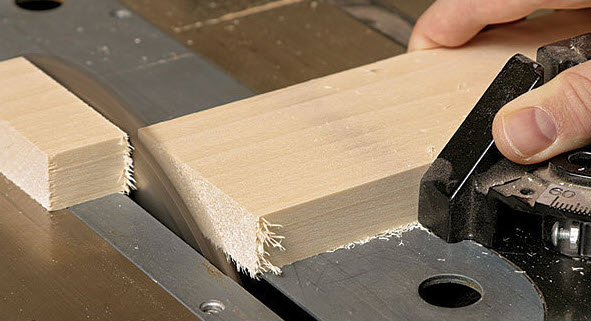
The ends of a board are among the weakest areas for screws. This is where wood splits most easily because the grain runs lengthwise.
To prevent splitting near the end:
Drill a pilot hole
Use a smaller screw
Keep the screw farther from the end
Drive slowly
Clamp the board if possible
This is especially important when building frames, shelves, boxes, benches, or small woodworking projects.
Choose the Right Screw Type
Not all screws behave the same.
Best screws for woodworking:
Wood screws
Self-drilling screws
Trim screws
Cabinet screws
Deck screws for outdoor projects
Avoid drywall screws for woodworking — they’re brittle and can snap.
Drywall screws are made for attaching drywall to studs, not for strong woodworking joints. They can break under pressure and may not hold as well in wood projects.
Wood screws are designed to grip wood fibers better. Many wood screws also have sharper points and better thread patterns for reducing splitting.
Use the Correct Screw Length
If the screw is too long, it can force fibers apart deeper inside the wood.
Good rule:
Screw length should be about 2× the thickness of the top board.
For example, if the top board is ¾ inch thick, a screw around 1½ inches long is often a good choice, depending on the project.
A screw that is too short may not hold. A screw that is too long may poke through the other side or create too much pressure inside the wood.
Use the Correct Screw Thickness
Screw thickness matters just as much as length.
A thick screw exerts greater pressure on the wood. This can split thin boards, narrow boards, and dry wood.
For small projects, use smaller screws. For heavy projects, use stronger screws, but always drill pilot holes first.
A beginner mistake is thinking bigger screws always make stronger joints. In reality, an oversized screw can weaken the wood by cracking it.
Drive Screws Slowly
Speed matters more than strength.
Driving screws too fast:
Generates heat
Increases pressure
Causes splitting
Strips screw holes
Makes screws harder to control
Instead:
Use slow speed
Apply steady pressure
Stop if resistance increases suddenly
Slow driving = safer wood.
If you are using a power drill, do not run it at full speed. Use a low speed setting and let the screw enter gradually. If your drill has a clutch setting, use it. The clutch helps prevent overdriving the screw.
Don’t Over-Tighten Screws
Over-tightening is another common reason wood splits.
Once the screw head is flush with the surface, stop. Many beginners keep pulling the trigger after the screw is already seated. This adds extra pressure and can crack the wood around the screw head.
Signs you are over-tightening:
The screw head sinks too deep
The wood surface cracks
The screw keeps spinning
The joint starts to pull unevenly
A screw should hold the boards together firmly without crushing the wood.
Countersinking for Extra Protection
Countersinking means widening the top of the hole so the screw head sits flush.
Benefits:
Prevents surface cracking
Creates cleaner finish
Reduces pressure
Helps screw heads sit flat
Improves the final appearance
This step is especially useful for hardwood.
Countersinking is important when using flat-head screws. Without a countersink, the screw head can act like a wedge and split the surface of the board.
Use Clamps Before Screwing
Clamps help hold your boards in place while you drive screws.
This matters because wood can shift as the screw pulls the pieces together. When boards move, screws may enter at an angle, which increases splitting risk.
Clamps help:
Keep boards aligned
Reduce movement
Improve joint strength
Make screw placement easier
Prevent gaps between boards
Even simple clamps can make your woodworking projects cleaner and more accurate.
Pay Attention to Wood Moisture
Dry wood is more likely to split than wood with normal moisture content.
Very dry wood becomes brittle. When a screw enters, the fibers may crack rather than compress.
This often happens with:
Old scrap wood
Weathered boards
Thin trim pieces
Hardwood
Wood stored in very dry areas
If the wood feels brittle, always pre-drill first. You may also want to use thinner screws.
Common Beginner Mistakes
Avoid these common causes of splitting:
Skipping pilot holes
Using oversized screws
Driving screws too fast
Placing screws near edges
Using dull bits
Over-tightening screws
Using drywall screws
Not countersinking
Forcing screws when they resist
Ignoring the direction of the grain
Almost all splitting problems trace back to preparation mistakes.
Pro Tips from Experienced Woodworkers
Wax screw threads for easier driving
Drill pilot holes every time in hardwood
Use sharp drill bits
Test on scrap wood first
Never force a screw
Clamp pieces before fastening
Use countersink bits for clean results
Use the right screw for the project
Slow down near board edges
Replace dull drill bits
Professionals prevent splitting before it can happen.
One simple trick is to rub the screw threads on a small piece of wax before driving them. This helps the screw move into the wood more smoothly with less friction. Less friction means less pressure, which lowers the chance of splitting.
Signs You’re Doing It Correctly
You’re preventing splitting successfully if:
Screws go in smoothly
No cracking sounds occur
Wood edges stay intact
Screws sit flush
Joints feel strong
Boards stay aligned
The screw does not wobble
The surface does not bulge
Smooth screw insertion is the biggest indicator of proper technique.
Quick Checklist Before Driving a Screw
Before inserting a screw, ask yourself:
Did I drill a pilot hole?
Is the screw the right size?
Am I far enough from the edge?
Should I countersink the hole?
Is the wood clamped securely?
Am I driving the screw slowly?
This simple checklist can prevent most beginner splitting problems.
FAQ
Why does my wood split when I screw into it?
Wood usually splits because the screw is forcing the fibers apart. This often happens when there is no pilot hole, the screw is too large, or the screw is too close to the edge.
Do I always need a pilot hole?
For hardwood, yes, almost always. For softwood, it depends, but pilot holes are still recommended near edges, ends, and thin boards.
Can I fix wood after it splits?
Small splits can sometimes be repaired with wood glue and clamps. Large splits may weaken the board and require replacement.
What screws are best for preventing splitting?
Wood screws, trim screws, and self-drilling screws are usually better choices than drywall screws.
Does countersinking prevent splitting?
Yes. Countersinking reduces pressure from the screw head and helps prevent surface cracks.
Final Verdict
Wood splitting when screwing is not bad luck — it’s preventable. With pilot holes, proper screw placement, correct screw size, countersinking, and slow driving technique, you can eliminate most splitting problems.
If you build the habit of preparing your holes before driving screws, you’ll avoid ruined boards, weak joints, and frustration. Prevention takes seconds, but fixing splits can take hours.
Master this simple skill, and your woodworking will improve immediately. Knowing how to prevent wood splitting when screwing is one of the most important beginner woodworking skills because it helps every project look cleaner, stronger, and more professional.