How to Read a Tape Measure for Woodworking (Beginner Guide)
Accurate measuring is one of the most important skills in woodworking. Even a small measuring mistake can cause pieces not to fit together, waste materials, or ruin an entire project. That’s why learning how to properly read a tape measure is one of the first skills every beginner should master.
Many beginners feel confused by all the lines and numbers on a tape measure, but once you understand how the markings work, it becomes simple. In this guide, you’ll learn how to read a tape measure step by step, what each marking means, and tips to measure accurately every time.
Quick Answer
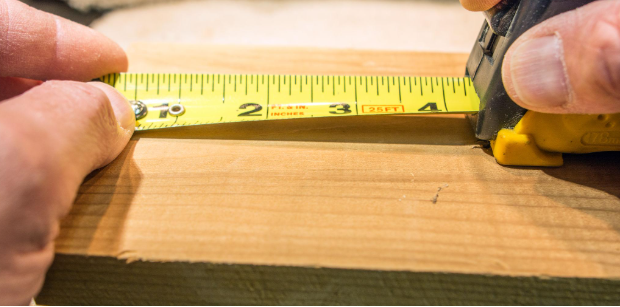
To read a tape measure, find the nearest inch mark, then count the fractional lines between inches. The longest lines mark inches, medium lines mark halves and quarters, and smaller lines represent smaller fractions like eighths and sixteenths.
Understanding Tape Measure Markings
Tape measures use lines of different lengths to represent measurements.
Standard marking system
| Line Length | Measurement |
| Longest line | Inch |
| Medium line | ½ inch |
| Shorter line | ¼ inch |
| Small line | ⅛ inch |
| Smallest line | 1⁄16 inch |
The smaller the line, the smaller the measurement.
Step-by-Step: How to Read a Measurement
Follow this simple method:
Example measurement process
- Find the last full inch mark
- Count the small lines after it
- Match the line length to the fraction size
Example:
- Past 5 inches
- Third small line
- = 5⅜ inches
Breaking it into steps makes it easier to read.
Fraction Breakdown Between Inches
Between each inch are equal divisions.
Typical layout:
- ½ inch → halfway point
- ¼ inch → quarter points
- ⅛ inch → smaller divisions
- 1⁄16 inch → smallest common markings
Each inch is divided into 16 equal parts.
Common Beginner Tape Measure Readings
Here are examples beginners should practice:
| Measurement | How It Looks |
| 3½″ | Halfway between 3 and 4 |
| 2¼″ | First quarter mark |
| 6⅛″ | First small line after 6 |
| 7¾″ | Third quarter mark |
Practicing these helps you read measurements quickly.
Why Accuracy Matters in Woodworking
Accurate measurement affects:
- Joint fit
- Alignment
- Strength
- Appearance
- Project success
Most woodworking mistakes result from measurement errors.
Tape Measure Reading Tricks
Use these tips to read faster:
- Memorize common fractions
- Focus on line length differences
- Always measure from the same edge
- Double-check measurements
- Mark lines clearly
Consistency improves accuracy more than speed.
Common Measuring Mistakes Beginners Make
Avoid these common errors:
- Reading wrong line length
- Measuring from tape hook incorrectly
- Guessing measurements
- Measuring only once
- Using worn tape measures
Small mistakes can cause big problems later.
Pro Tips for Accurate Measuring
Experienced woodworkers use these techniques:
- Measure twice before cutting
- Keep tape straight
- Use a square for marking
- Hold tape tight
- Mark clearly with pencil
Precision habits prevent wasted materials.
Tape Measure Terms You Should Know
Basic measuring vocabulary:
- Hook: Metal tip at tape end
- Blade: Measuring strip
- Lock: Holds tape in place
- Case: Housing
Knowing these parts helps you understand instructions and tutorials.
Practice Exercise for Beginners
Try this simple exercise:
- Measure random objects
- Write down measurements
- Check again
- Compare results
Practicing daily improves accuracy quickly.
FAQ
What is the smallest measurement on a tape measure?
Most standard tape measures have 1/16-inch increments.
Do beginners need to measure precisely?
Yes. Accuracy is one of the most important woodworking skills.
Why are tape measure lines different sizes?
Different line lengths make fractions easier to identify quickly.
Is a digital tape measure better?
Traditional tape measures are usually better for woodworking because they’re simple and reliable.
Final Verdict
Learning how to read a tape measure is one of the most important beginner woodworking skills. Once you understand how the markings work, measuring becomes simple, fast, and accurate.
Mastering this skill early will dramatically improve your project results and help you avoid common beginner mistakes. In woodworking, precision starts with measurement — and measurement starts with knowing your tape measure.