Easiest Wood to Cut for Beginners (Best Types + Buying Guide)
One of the fastest ways to make woodworking frustrating is choosing the wrong type of wood. Many beginners accidentally start with wood that’s too hard, too dense, or too expensive, which makes cutting difficult and mistakes costly.
The good news is that some woods are naturally easier to cut and work with. Choosing beginner-friendly wood can dramatically improve your learning experience and help you build confidence faster. In this guide, you’ll learn the easiest wood types to cut, why they’re beginner-friendly, and which woods to avoid at first.
Quick Answer
The easiest wood to cut for beginners is softwood like pine, cedar, or fir. These woods are lightweight, affordable, and easy to cut with basic tools, making them ideal for learning woodworking skills.
What Makes Wood Easy to Cut?
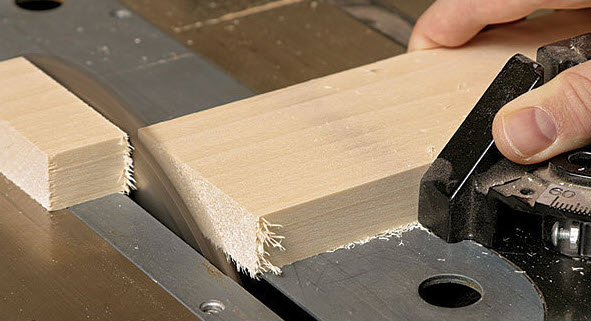
Not all wood behaves the same. Some cuts smoothly, while others resist tools.
Easy-to-cut wood has these traits
Soft grain structure
Low density
Straight grain pattern
Minimal knots
Dry and stable
Softwoods generally meet these conditions better than hardwoods.
Another big factor is consistency. Wood with a straight, even grain is more predictable to cut. That matters a lot for beginners because predictable wood is easier to measure, easier to guide through a saw, and less likely to chip or bind unexpectedly. Wood with wild grain, twisting fibers, or significant internal tension can make even simple cuts feel frustrating.
Moisture content also matters more than many beginners realize. Wet or partially green wood can feel heavier, cut rougher, and shift shape as it dries. Dry, stable boards are much easier to work with and give better results.
Best Woods for Beginners
These are the top beginner-friendly options.
1. Pine — Best Overall Beginner Wood
Why it’s ideal
Very soft
Cheap
Widely available
Easy to cut and sand
Best for: first projects and practice builds.
Pine is often the first wood beginners use, and for good reason. It is available almost everywhere, comes in many common board sizes, and is forgiving enough for repeated practice. If you make mistakes, the cost is usually low enough that it does not feel painful to start over. Pine is perfect for shelves, simple boxes, small furniture, and general shop practice.
2. Poplar — Smooth and Predictable
Why beginners like it
Straight grain
Minimal knots
Smooth cutting surface
Best for: projects that need clean edges.
Poplar is technically a hardwood, but it is still much easier to work with than many other hardwoods. That makes it a great transition wood once you are ready to move beyond basic softwood. It usually cuts cleanly, paints well, and has a more uniform texture than construction-grade pine.
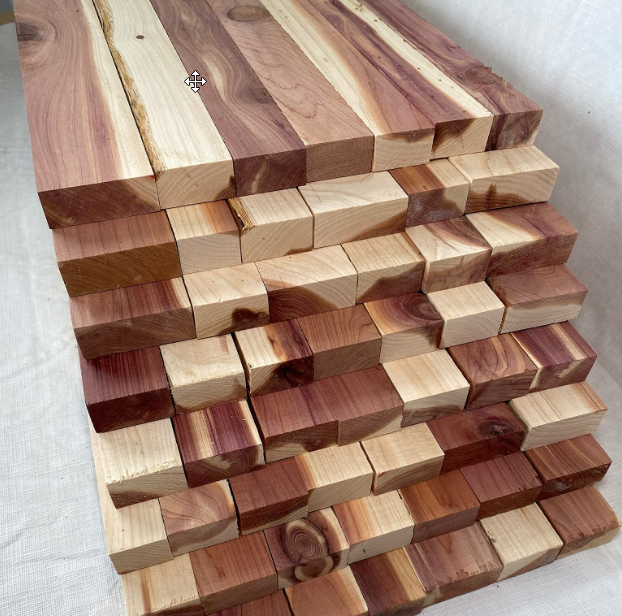
3. Cedar — Lightweight and Easy
Benefits
Soft texture
Cuts easily
Smells pleasant when cut
Best for: small projects and outdoor builds.
Cedar is especially helpful for projects that may be used outdoors because it naturally resists moisture and insects better than many other beginner woods. It is also easy to carry, cut, and work with. Some beginners like cedar simply because it feels less heavy and less intimidating.
4. Fir — Budget-Friendly Choice
Why it works
Affordable
Easy to cut
Widely available
Best for: beginner construction projects.
Fir is common in framing lumber and utility projects. It is not always as smooth or attractive as poplar, but it is practical, easy to find, and useful for learning basic cutting, fastening, and assembly skills.
Wood Hardness Comparison
| Wood Type | Hardness | Beginner Friendly |
|---|---|---|
| Pine | Soft | ⭐ Excellent |
| Poplar | Soft | ⭐ Excellent |
| Cedar | Soft | ⭐ Very Good |
| Fir | Medium-soft | Good |
| Oak | Hard | Not ideal |
| Maple | Hard | Difficult |
| Walnut | Hard | Difficult |
Hardwoods are beautiful but harder to cut and shape.
This does not mean hardwoods are bad. It simply means they require sharper tools, more patience, and better technique. Beginners often struggle not because hardwood is impossible to use, but because it gives them less margin for error.
Woods Beginners Should Avoid First
These woods are harder to work with and better saved for later.
Avoid starting with:
Oak
Maple
Hickory
Walnut
Exotic hardwoods
They are denser, more durable, and more expensive.
These woods can dull blades faster, require slower cutting, and make hand-tool work much more tiring. They also raise the cost of mistakes. A beginner learning basic cuts does not need that extra pressure. It is much smarter to learn the technique of forgiving wood first.
Exotic hardwoods can be especially frustrating because they are often expensive, unusually dense, and sometimes unpredictable to cut. While they may look beautiful, they are rarely the best learning material.
Cheap Wood vs Easy Wood
Cheap wood isn’t always easy to work with.
Difference
Cheap wood → low price
Easy wood → easy to cut and shape
Some inexpensive boards can still be hard or knotty. Look for straight grain and smooth texture when choosing boards.
This is an important distinction. A cheap board full of knots, warping, and rough grain can waste more time and cause more frustration than a slightly better board that cuts cleanly. Beginners should focus on value, not just price. A low-cost, straight, stable board is often a much better buy than the cheapest piece on the rack.
How to Pick Beginner-Friendly Boards at the Store
When buying wood, check for:
Straight boards (not warped)
Few knots
Smooth grain
Dry surface
Minimal cracks
Choosing good boards makes cutting much easier.
It helps to sight down the length of the board before buying it. Hold one end up and look along the edge to see if it bends, twists, or bows. Even basic beginner projects become harder when the board is warped. Also, check the ends for splitting, because end cracks can spread as you cut.
The better the board at the store, the easier your project will be at home. Good wood selection can solve many problems before they start.
Best Wood Thickness for Beginners
Thin wood is easier to cut.
Recommended beginner thickness:
½ inch to 1 inch
Thicker boards require more force and stronger tools.
Beginners usually do better with smaller, lighter boards because they are easier to handle, clamp, and cut. Thick stock can be useful later, but it often adds resistance, making even simple work feel harder than it needs to be. Thin to medium boards are usually the best choice for learning layout, cutting, drilling, and assembly.
Beginner Wood Selection Strategy
Follow this simple method:
Start with pine boards
Practice cutting techniques
Move to Poplar after a few projects
Try hardwood once confident
Gradual progression improves skill faster.
This step-by-step approach helps beginners build confidence without feeling overwhelmed. Pine teaches the basics. Poplar helps you improve precision and get cleaner results. Hardwood can come later, once your measuring, cutting, and sanding skills are more reliable.
That progression matters because woodworking is easier when the material matches your experience level. Starting too advanced often creates avoidable frustration.
Common Beginner Mistakes When Choosing Wood
Avoid these common errors:
Buying hardwood first
Choosing warped boards
Ignoring knots
Using thick boards early
Buying expensive wood for practice
Most beginners struggle because they start with the wrong materials.
Another mistake is choosing wood based only on appearance. A board may look attractive, but if it is twisted, cracked, or full of large knots, it may be a poor choice for learning. Beginners should prioritize workability over appearance.
It is also common to buy too little extra material. Having a bit of spare wood for test cuts and practice is helpful. Scrap pieces let you try settings, blade depth, and sanding methods without risking your main project pieces.
Pro Tips for Cutting Wood Easily
These tips make cutting much smoother:
Use sharp blades
Cut slowly
Support the wood properly
Mark lines clearly
Practice on scrap wood first
Technique matters just as much as wood type.
A sharp blade on beginner-friendly wood can make a huge difference. Even softwood becomes frustrating with a dull saw blade. Proper support is also important because unsupported wood can vibrate, pinch the blade, or splinter during a cut. Clean markings help you cut with more confidence and accuracy.
Small improvements in technique often matter as much as choosing the right species. Good wood helps, but good habits make the biggest difference over time.
Best First Projects for Easy-Cut Wood
Some projects are especially good when using beginner-friendly wood.
Good starter projects
Simple shelf
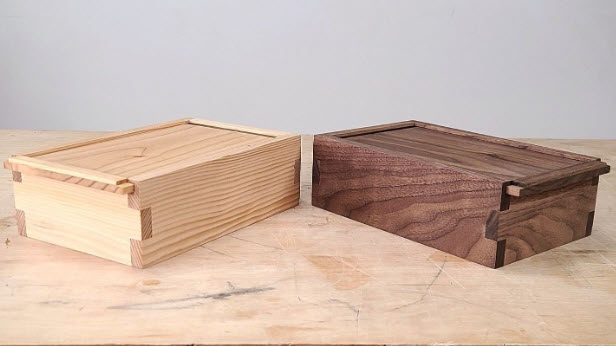
Small box
Birdhouse
Planter box
Basic stool
Workshop storage tray
These projects use straight cuts, simple measurements, and common board sizes. They let beginners focus on learning how wood behaves without adding unnecessary complexity. That is one reason easy-to-cut wood is so useful early on. It helps you spend more time building and less time fighting the material.
FAQ
What is the easiest wood to cut by hand?
Pine is usually the easiest wood to cut using hand tools.
Is softwood better for beginners?
Yes. Softwood is easier to cut, shape, and sand.
Why is hardwood harder to cut?
Hardwood is denser and requires more force and sharper tools.
Can beginners use hardwood?
Yes, but it’s better to start with softwood to learn fundamentals first.
Is pine always the best choice?
For most beginners, yes. It is affordable, available, and forgiving. But poplar is also a great option when you want smoother, cleaner results.
Does knot-free wood matter?
Yes. Fewer knots usually mean easier cutting, better stability, and less frustration during beginner projects.
Final Verdict
The easiest wood to cut for beginners is softwood, such as pine, poplar, cedar, or fir. These woods are affordable, easy to work with, and forgiving of mistakes, making them perfect for learning woodworking skills.
Choosing beginner-friendly wood can make the difference between frustration and fast progress.
Start soft, build skill, and move to harder woods later — that’s the smartest path for beginners.
When you choose wood that cuts easily, you give yourself a better chance to enjoy woodworking from the beginning. That matters more than most beginners realize. The right wood reduces mistakes, builds confidence, and helps basic skills improve faster. For someone just starting out, that can be the difference between quitting early and sticking with woodworking long enough to really enjoy it.