Beginner Woodworking Tips and Tricks (Simple Techniques That Make Projects Easier)
Starting woodworking can feel overwhelming because there are so many techniques, tools, and methods to learn. Many beginners struggle not because woodworking is hard, but because they don’t know the small tricks that make projects easier and more accurate.
The good news is that experienced woodworkers rely on simple tips and habits — not expensive tools — to get better results. In this guide, you’ll learn practical Beginner Woodworking Tips and Tricks that will improve your accuracy, speed, and confidence right away.
Quick Answer
The most important woodworking tips for beginners are: measure twice, cut slowly, start with softwood, practice on scrap wood, and keep tools organized. These habits prevent mistakes and speed up skill development.
Why Tips Matter More Than Tools
Most beginners think better tools equal better results. In reality:
Good technique beats expensive tools.
A skilled woodworker with basic tools can outperform a beginner with professional equipment. Learning the right habits early saves time, money, and frustration.
Many woodworking mistakes happen before the first cut is ever made. Poor planning, weak measurements, rushing, or using the wrong material can make even a simple project difficult. That’s why beginner woodworking tips and tricks are so valuable. They help you avoid problems before they happen.
When you learn the right habits early, every project becomes easier. Your cuts become cleaner, your joints fit better, and your finished pieces look more professional.
15 Beginner Woodworking Tips That Instantly Improve Results
1. Measure Twice, Cut Once
This classic rule prevents wasted wood and inaccurate pieces.
Before cutting, check your measurement, mark it clearly, and confirm it again. A small measuring mistake can throw off the entire project.
2. Use Sharp Blades
Sharp tools cut cleaner, safer, and more accurately than dull ones.
Dull blades can burn wood, tear the grain, and force you to push harder than necessary. This can lead to poor cuts and unsafe habits.
3. Start With Softwood
Softwood is easier to cut, sand, and shape than hardwood.
Pine, cedar, and fir are good beginner choices because they are affordable and easier to work with. These woods allow you to practice without feeling like every mistake is expensive.
4. Practice on Scrap Wood
Testing cuts before your real project prevents costly mistakes.
Scrap wood is one of the best learning tools a beginner can use. Practice cuts, drill holes, test stains, and try sanding techniques before working on your final piece.
5. Mark Clearly Before Cutting
Use a square and sharp pencil for accurate cut lines.
A faint or crooked mark can lead to a crooked cut. Always mark your wood carefully and make sure your line is easy to follow.
6. Cut Slowly
Speed causes crooked cuts. Slow cutting improves control.
Beginners often rush to finish quickly. The better habit is to slow down, stay steady, and let the tool do the work.
7. Clamp Your Work
Clamps stabilize wood, improve accuracy, and enhance safety.
Trying to hold wood by hand while cutting, sanding, or drilling can lead to mistakes. Clamps keep the board from moving and help you work with more control.
8. Sand in Stages
Always move from coarse grit to fine grit for smooth results.
For example, you might start with 80-grit sandpaper, move to 120-grit, and finish with 220-grit. Skipping grits can leave scratches that show up after staining or painting.
9. Work With the Grain
Cutting or sanding against the grain causes rough surfaces.
Look at the direction of the wood fibers before sanding, planing, or finishing. Working with the grain gives a cleaner and smoother result.
10. Keep Your Workspace Clean
Clutter leads to mistakes and accidents.
A clean workspace helps you think clearly, find tools faster, and avoid safety hazards. Sawdust, loose cords, and scattered tools can quickly become a problem.
11. Start With Simple Projects
Complex builds slow learning. Simple builds build skill faster.
Good beginner projects include shelves, small boxes, trays, workbench organizers, and basic stools. These projects teach measuring, cutting, sanding, drilling, and assembly without being overwhelming.
12. Check Alignment Before Assembly
Dry-fit pieces before gluing or screwing.
A dry fit means putting the pieces together without glue or screws first. This helps you catch problems before they become permanent.
13. Use the Right Screws
The wrong screw size weakens joints and splits wood.
Screws that are too short may not hold well. Screws that are too long can poke through the other side. Always match the screw to the thickness of your wood.
14. Plan Before You Build
Know each step before starting a project.
Before cutting anything, look over your materials, tools, measurements, and build order. A simple plan can save you from confusion halfway through the project.
15. Accept Mistakes as Learning Tools
Every error teaches a skill you’ll use later.
Mistakes are part of woodworking. A bad cut, uneven sanding, or weak joint can teach you what to do differently next time.
More Beginner Woodworking Tips and Tricks
Once you understand the basics, these extra tips can help your projects look cleaner and more professional.
Use Painter’s Tape to Reduce Tear-Out
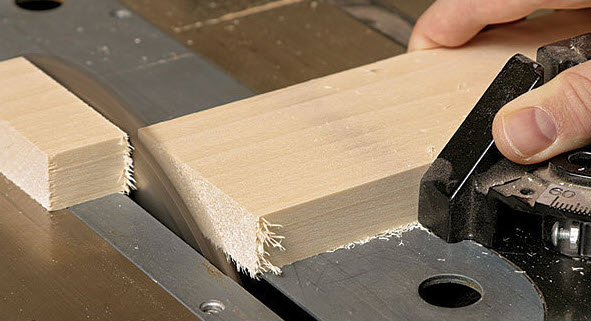
When cutting plywood or thin boards, place painter’s tape over the cut line. This can help reduce splintering and give you a cleaner edge.
Pre-Drill Holes Before Screwing
Pre-drilling helps prevent splitting, especially near the ends of boards. This is one of the easiest tricks beginners can use to improve assembly.
Label Each Piece
When cutting several pieces for one project, label them as front, back, left, right, top, and bottom. This prevents confusion during assembly.
Keep a Small Notebook
Write down measurements, mistakes, project ideas, and lessons learned. A simple notebook can help you remember what worked and what didn’t.
Test Stain Before Applying It
Wood stain can look different depending on the type of wood. Always test stain on scrap wood before applying it to your finished project.
Don’t Over-Sand Edges
Beginners sometimes sand edges too much and accidentally round them over. Sand gently unless you intentionally want a rounded look.
Use Wood Glue Correctly
Wood glue is strong, but only when used properly. Apply a thin, even layer, clamp the pieces together, and wipe away extra glue before it dries.
Let Glue Fully Dry
Do not rush the drying process. Moving a project too soon can weaken the joint or shift pieces out of alignment.
Check for Square
Use a speed square or carpenter’s square to make sure corners are at 90 degrees. This is especially important for boxes, shelves, frames, and cabinets.
Keep Blades and Bits Clean
Sawdust and resin buildup can affect how tools cut. Clean blades and drill bits work better and last longer.
Beginner Tip Priority List
If you only focus on a few tips first, use these:
| Priority | Tip |
|---|---|
| 1 | Measure twice |
| 2 | Cut slowly |
| 3 | Practice first |
| 4 | Use clamps |
| 5 | Work with grain |
These alone prevent most beginner mistakes.
Common Beginner Habits That Cause Problems
Avoid these mistakes:
Rushing cuts
Ignoring measurements
Skipping sanding
Starting complex projects
Buying tools instead of practicing
Using dull blades
Forgetting to clamp wood
Not checking for square
Applying stain without testing
Using too much glue
Most frustration comes from habits, not skill level.
A beginner may think they are “bad at woodworking” when the real issue is usually simple. Maybe the board moved during cutting. Maybe the measurement was off. Maybe the wood split because the hole was not pre-drilled. Once you fix these small habits, woodworking becomes much easier.
Pro Tricks Experienced Woodworkers Use
These simple tricks make a big difference:
Label boards before cutting
Keep a scrap pile for testing
Pre-drill holes to prevent splitting
Use pencil marks instead of guessing
Check measurements twice
Use stop blocks for repeated cuts
Keep commonly used tools nearby
Dry-fit before final assembly
Sand before assembly when possible
Wipe away glue before it hardens
Professionals rely on these small habits daily.
One important pro trick is using a stop block when making repeated cuts. Instead of measuring each piece separately, you clamp a block in place and cut all boards to the same length. This saves time and improves consistency.
Another helpful trick is sanding some pieces before assembly. It is often easier to sand flat boards before they are attached together, especially in hard-to-reach inside corners.
How to Improve Faster Than Most Beginners
Follow this proven learning formula:
Practice + Patience + Repetition = Skill
Beginners who practice small builds regularly improve faster than those who attempt large projects occasionally.
The best way to improve is to build simple projects repeatedly. Each project teaches a new lesson. One project may teach you better measuring. Another may teach cleaner sanding. Another may teach a stronger assembly.
Do not worry about building perfect projects at first. Focus on learning one skill at a time.
Best Projects for Practicing Beginner Skills
Here are simple projects that help you practice basic woodworking skills:
Small shelf
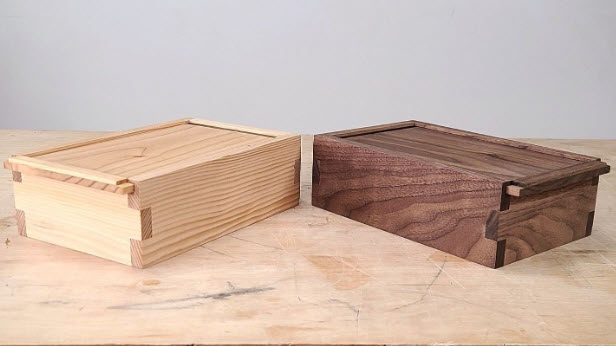
Wooden box
Tool organizer
Plant stand
Simple bench
Serving tray
Picture frame
Birdhouse
Scrap wood wall rack
Basic workbench storage
These projects are useful because they teach measuring, cutting, drilling, sanding, and finishing without being too complicated.
Signs Your Skills Are Improving
You’ll know your technique is improving when:
Cuts are straighter
Pieces fit better
Projects look cleaner
Mistakes decrease
Confidence grows
You waste less wood
You understand your tools better
You can fix small mistakes
Progress often happens gradually, then suddenly.
At first, every step may feel slow. Over time, you will notice that you measure faster, cut cleaner, and understand the project before you even begin. That is a sign your woodworking skills are growing.
FAQ
What is the best tip for beginner woodworkers?
Measuring twice before cutting is the most important habit. It prevents wasted wood and helps every project fit together better.
How do beginners avoid mistakes?
By working slowly, checking measurements, clamping wood securely, and practicing on scrap wood first.
Should beginners use expensive tools?
No. Simple tools are enough to learn the fundamentals. Good technique matters more than expensive equipment.
What’s the fastest way to improve woodworking skills?
Building small projects regularly is the fastest way to improve. Repetition builds confidence and accuracy.
What is the easiest wood for beginners?
Pine is one of the easiest woods for beginners because it is affordable, soft, and easy to cut.
Should beginners stain or paint their first projects?
Either option works, but paint can hide small mistakes better. Stain shows the natural wood grain but also reveals sanding marks more easily.
Final Verdict
Woodworking becomes much easier when you follow proven beginner tips and techniques. Simple habits like measuring carefully, cutting slowly, practicing on scrap wood, and using clamps can dramatically improve your results.
You don’t need expensive tools to succeed — you just need good habits and consistent practice.
The best beginner woodworking tips and tricks are the ones that make each step easier, safer, and more accurate. Start simple, work slowly, and improve one skill at a time.
What To Read Next
To keep improving your woodworking skills:
Beginner skill checklist
Easy projects list
Scrap wood ideas
Basic woodworking tools guide
Woodworking mistakes to avoid
Simple projects you can build in a day
These will help you build faster and with more confidence.