Scrap Wood Project Ideas for Beginners
One of the best ways to learn woodworking without wasting money is by using scrap wood. Many beginners think they need to buy new lumber for every project, but experienced woodworkers know that leftover pieces are perfect for practice and small builds.
Scrap wood projects are ideal for beginners because they’re low-cost, low-pressure, and perfect for building skills. In this guide, you’ll discover easy scrap wood project ideas, why they’re great for learning, and how to choose the best scraps to work with.
The great thing about scrap wood is that it gives beginners permission to practice without fear. If a cut is crooked, a hole is drilled wrong, or a piece does not fit perfectly, you are not ruining expensive lumber. You are learning. That makes scrap wood one of the best materials for building confidence in woodworking.
Quick Answer
The best scrap wood projects for beginners are small builds like boxes, phone stands, coasters, shelves, and organizers. These projects require minimal materials and help develop essential woodworking skills.
Why Scrap Wood Is Perfect for Beginners
Scrap wood is one of the smartest ways to practice.
Benefits of scrap wood projects
Free or very cheap
Low risk of mistakes
Perfect for practice cuts
Encourages creativity
Reduces waste
Great for learning tool control
Useful for testing finishes
When mistakes cost nothing, learning becomes easier.
Scrap wood also helps beginners think more creatively. Instead of starting with a perfect board from the store, you learn how to look at leftover pieces and imagine what they can become. A small board can become a phone stand. A short offcut can become a coaster. A narrow strip can become a key holder or small shelf support.
This kind of thinking helps you become a better woodworker because it teaches problem-solving, planning, and resourcefulness.
15 Easy Scrap Wood Projects for Beginners
These projects are simple, useful, and skill-building.
1. Wooden Coasters
Great for practicing cutting and sanding small pieces.
Wooden coasters are one of the easiest scrap wood project ideas because they only require small square or round pieces. You can practice cutting pieces to the same size, sanding edges smooth, and adding a simple finish.
Coasters also make great gifts and can be made from very small scraps that might otherwise be thrown away.
2. Phone Stand
Improves precision and measuring accuracy.
A phone stand is a small project that teaches layout, cutting, and balance. It does not require much wood, but it does require accurate measuring so the phone sits correctly.
This is a good project for beginners because it is useful, simple, and easy to customize.
3. Small Storage Box
Teaches assembly and alignment.
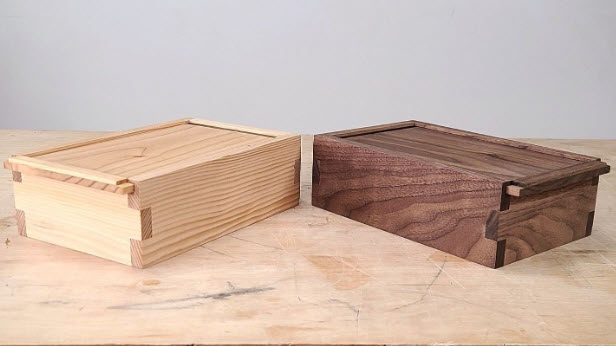
A small box helps beginners practice joining pieces together. You can make a basic open-top box for screws, pencils, small tools, craft supplies, or desk items.
This project teaches square assembly, drilling, sanding, and clamping.
4. Key Holder Rack
Simple project that teaches mounting techniques.
A key holder can be made from one small board and a few hooks. This is a great project because it teaches spacing, drilling pilot holes, and wall mounting.
You can also add a small shelf on top for sunglasses, wallets, or mail.
5. Mini Shelf
Great for learning straight cuts and leveling.
A mini shelf is one of the most useful scrap wood builds. It can be used in a garage, kitchen, bathroom, bedroom, or office.
This project helps beginners learn how to cut boards evenly, attach supports, and make sure the shelf sits level.
6. Bookends
Helps develop symmetry and clean edges.
Bookends are simple but helpful for practicing matching parts. The two pieces should be similar in size and shape, which helps you improve measuring and cutting accuracy.
You can make basic L-shaped bookends with scrap boards and screws or wood glue.
7. Tool Holder
Practical and improves drilling skills.
A tool holder is a great scrap-wood project for organizing screwdrivers, pliers, chisels, and other small hand tools. You can drill holes in a scrap board or mount wood strips to create slots.
This project helps you practice drilling clean holes and spacing them evenly.
8. Plant Stand
Teaches stability and joint strength.
A small plant stand is a good step up from very simple projects. It teaches you how to think about balance, weight, and strong joints.
You can make a basic plant stand with short legs and a simple square or round top.
9. Pencil Holder
Good for drilling and shaping.
A pencil holder can be made from a block of scrap wood by drilling several holes into the top. It is simple, useful, and great for practicing drill control.
You can sand the edges, round the corners, and add stain or paint for a finished look.
10. Picture Frame
Introduces angled cuts.
A picture frame is a great way to practice 45-degree cuts if you have a miter box, miter saw, or another way to cut angles.
It may take a little patience, but picture frames teach accuracy better than many beginner projects because small gaps are easy to see.
11. Wooden Tray
Teaches alignment and finishing.
A wooden tray can be built from flat scrap pieces and small side rails. This project helps with layout, assembly, sanding, and finishing.
You can use it as a serving tray, desk tray, entryway tray, or decorative piece.
12. Small Stool
Good beginner furniture project.
A small stool is a more advanced beginner project because it needs to be strong and stable. It teaches basic furniture construction, leg alignment, and joint strength.
Start with a simple design before trying anything decorative.
13. Wall Hooks
Simple project for learning screw placement.
Wall hooks can be made from a scrap board and a few hooks or pegs. This is an easy project for organizing hats, keys, bags, coats, or shop supplies.
It teaches measuring, drilling, spacing, and mounting.
14. Knife Block
Improves drilling accuracy.
A simple knife block or utensil holder can be made from thicker scrap wood. This project requires careful drilling and sanding.
For beginners, it is best to start with a simple design and avoid complicated angled holes until your skills improve.
15. Practice Cutting Boards
Great for practicing cuts and sanding techniques.
These are for practice only, not necessarily food use unless you use proper hardwood and food-safe finishing methods.
Practice boards are helpful because they let you work on straight cuts, sanding, edge rounding, and finishing without worrying about ruining a real project.
Best Scrap Wood Types to Use
Some scrap wood is easier to work with than others.
Best scrap wood for beginners
Pine scraps
Poplar pieces
Softwood offcuts
Construction lumber leftovers
Plywood scraps
Cedar scraps
These are easy to cut and shape.
Pine is one of the best options for beginners because it is soft, affordable, and easy to work with. Poplar is also a good choice because it cuts cleanly and paints well. Plywood scraps are useful for shelves, boxes, organizers, and shop projects.
Avoid pressure-treated wood for indoor scrap projects, especially items that will be handled often or used around food.
Scrap Wood Selection Tips
Before starting a project, inspect your scraps.
Choose pieces that are:
Straight
Crack-free
Dry
Knot-light
Large enough for safe cutting
Free from nails or screws
Avoid warped or split scraps for beginner builds.
A good habit is to look over every scrap before using it. Check for hidden nails, staples, screws, glue, or cracks. Running into metal with a saw blade can damage the blade and create a safety risk.
Also, make sure the piece is large enough to hold safely while cutting. Very tiny pieces can be dangerous if your hands are too close to the blade.
Tools Needed for Scrap Wood Projects
Most scrap builds require only basic tools.
Essential tools
Handsaw
Drill
Sandpaper
Measuring tape
Clamps
Square
Pencil
Wood glue
Simple tools are enough for most small projects.
You do not need a full workshop to start making scrap wood projects. Many small projects can be built with a saw, drill, sandpaper, and a few clamps. As your skills improve, you can add tools like a jigsaw, circular saw, miter saw, or sander.
The goal is to start simple and learn the basics before spending money on more equipment.
Beginner Scrap Project Difficulty Guide
| Project | Difficulty | Time |
|---|---|---|
| Coasters | Very easy | 1 hr |
| Phone stand | Very easy | 1 hr |
| Box | Easy | 2 hrs |
| Shelf | Easy | 2–3 hrs |
| Stool | Medium | 4 hrs |
Start with very easy projects, then work your way up.
Best Scrap Wood Projects to Build First
If you are brand new to woodworking, start with the easiest projects first.
Best first projects include:
Wooden coasters
Phone stand
Key holder
Pencil holder
Small shelf
These are great beginner scrap-wood project ideas because they teach basic skills without being overly complicated. They are also small enough to finish quickly, which helps beginners stay motivated.
After you complete a few easy projects, move on to boxes, trays, plant stands, and small stools.
Biggest Scrap Wood Mistakes Beginners Make
Avoid these common errors:
Using warped scraps
Choosing pieces too small
Ignoring grain direction
Not sanding edges
Rushing assembly
Using unsafe scraps
Forgetting to pre-drill holes
Skipping measurements
Using too much glue
Careful selection improves results dramatically.
One common mistake is thinking scrap wood does not need planning because it is free. Even small projects turn out better when you measure, mark, and plan before cutting.
Another mistake is skipping sanding. Scrap wood often has rough edges, splinters, dents, or saw marks. A few minutes of sanding can make a project look much cleaner and more professional.
Pro Tips for Working With Scrap Wood
Follow these tips for better builds:
Sort scraps by size
Label useful pieces
Keep a scrap storage bin
Practice cuts before projects
Combine small pieces creatively
Save straight offcuts
Throw away unsafe scraps
Use scraps for test stains
Creative use of scraps improves skill fast.
It helps to organize your scrap wood instead of tossing everything into one pile. Keep small blocks, thin strips, plywood pieces, and longer boards in separate areas if possible. This makes it easier to find the right piece when you want to build something.
You can also use scrap wood to test stain, paint, screws, drill bits, and sanding methods before applying them to a real project.
How Scrap Projects Improve Skills Faster
Scrap-wood projects speed up learning by allowing repetition.
When you can practice:
Cutting repeatedly
Drilling multiple holes
Sanding surfaces
Testing joints
Trying finishes
Making layout marks
You improve faster than you would by building one large project slowly.
Repetition is one of the fastest ways to build woodworking confidence. Making one coaster teaches you something. Making six coasters teaches you even more because you repeat the same cuts, sanding steps, and finishing process several times.
That repetition helps your hands become steadier and your eye become sharper.
Can Scrap Wood Projects Be Sold?
Yes, some scrap-wood projects can be sold if they are clean, useful, and well-finished.
Popular scrap wood items to sell include:
Coasters
Key holders
Small shelves
Desk organizers
Rustic signs
Plant stands
Trays
Wall hooks
Small projects can do well at craft fairs, local markets, Facebook Marketplace, Etsy, or as custom gifts.
The key is to make sure the finished product looks intentional, not thrown together. Smooth sanding, clean edges, good spacing, and a nice finish can turn simple scrap wood into something people are willing to buy.
FAQ
Are scrap wood projects good for beginners?
Yes. They’re one of the best ways to learn woodworking skills safely and cheaply.
Where can I get scrap wood?
Home improvement stores, construction sites with permission, or leftover project pieces.
Is scrap wood strong enough for projects?
Yes, for small builds and practice projects.
Can you sell scrap wood projects?
Yes. Small items like coasters and organizers often sell well.
What are the easiest scrap wood project ideas?
Coasters, phone stands, pencil holders, key racks, and small shelves are some of the easiest projects to start with.
Should I sand scrap wood before building?
Usually, yes. Sanding helps remove rough edges, splinters, dirt, and old saw marks.
Final Verdict
Scrap-wood projects are among the best ways for beginners to learn woodworking quickly and affordably. They allow you to practice skills, experiment freely, and build useful items without worrying about wasting expensive materials.
If you want to improve fast, start building small scrap projects regularly. Repetition and practice are the fastest path to skill.
The best scrap wood project ideas are simple, useful, and easy to finish. Start with coasters, phone stands, shelves, boxes, and organizers. As your confidence grows, you can move into more advanced scrap builds like stools, trays, picture frames, and plant stands.
What To Read Next
To keep building your skills:
Beginner skill checklist
Easy beginner projects
Cheapest way to start woodworking
Basic woodworking tools
Woodworking mistakes to avoid
These will help you progress faster and build smarter.