Basic Woodworking Skills Every Beginner Should Learn First
Many beginners think woodworking is about tools or expensive equipment. In reality, woodworking is about basic woodworking skills. Tools only help you apply those skills — they don’t replace them.
If you focus on mastering the right fundamentals early, you’ll progress faster than most beginners and avoid common frustrations. In this guide, you’ll learn the essential basic woodworking skills every beginner should master, why they matter, and how to practice them effectively.
Woodworking becomes much easier when you slow down and learn the simple skills behind every project. Whether you want to build shelves, workbenches, small furniture, outdoor projects, or simple home repairs, the same basic skills keep showing up over and over again.
The good news is that you do not need to become an expert before you start building. You only need to learn the right beginner skills in the right order.
Quick Answer
The most important woodworking skills for beginners are measuring accurately, cutting straight, sanding properly, drilling clean holes, and assembling joints. Mastering these basics allows you to build most beginner projects successfully.
The 10 Most Important Beginner Woodworking Skills
These skills form the foundation of all woodworking.
1. Measuring Accurately
Accurate measurement is the most important woodworking skill. Prevents wasted wood.
Ensures proper fit.
Improves project quality. Even small measurement errors can ruin a project.
A common beginner mistake is measuring one board, cutting it, and then assuming every other piece should be the same without checking again. Wood can vary slightly, and small errors can stack up quickly. This is why many woodworkers follow the rule: measure twice, cut once.
Good measuring also helps your finished project look more professional. If your parts are all slightly different sizes, the project may still hold together, but it may look uneven, crooked, or poorly built.
2. Marking Cut Lines Clearly
Clear markings guide your cuts and prevent mistakes.
Tips:
Use a sharp pencil
Mark straight lines with a square
Double-check before cutting
Good marking leads to clean cuts.
Marking is one of the most overlooked basic woodworking skills. Many beginners rush this step because it seems too simple. However, a clean and accurate mark gives you a clear target to follow when cutting.
Using a speed square, combination square, or straight edge can help you make better lines. Try not to guess your line by eye, especially when cutting boards that need to fit together tightly.
Woodworking Tools for Beginners
Woodworking Tools for Beginners (Complete Starter List) One of the biggest questions beginners ask is: What tools do I actually need to...
A good habit is to mark the waste side of the cut. This helps you remember which side of the line to cut on so your final piece does not end up too short.
3. Cutting Straight Lines
Straight cuts are essential for clean builds.
Practice by:
Cutting slowly
Following a marked line
Using steady pressure
Accuracy improves with repetition.
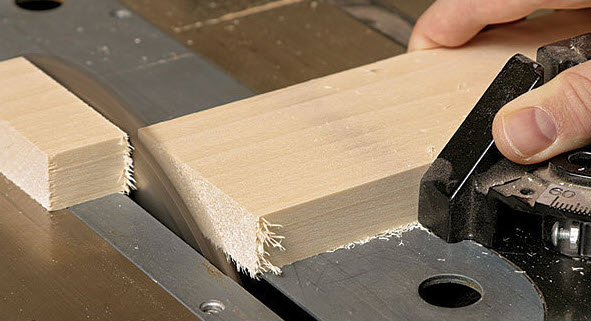
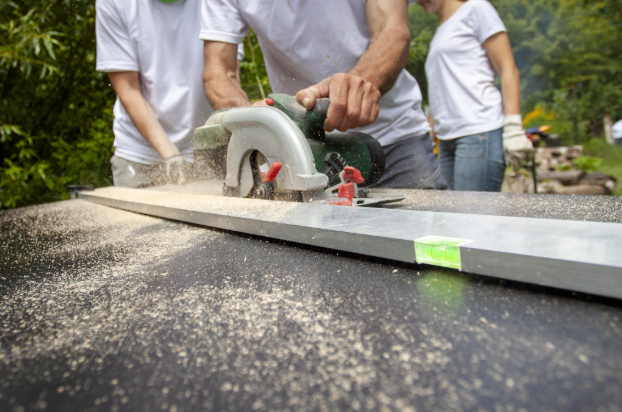
You do not need perfect cuts when you are just starting, but you do need to practice control. Whether you are using a hand saw, circular saw, jigsaw, or miter saw, the goal is to let the tool do the work.
Do not force the saw through the wood. Forcing a cut can cause rough edges, crooked lines, or even unsafe kickback with power tools. Slow and steady cutting usually gives better results.
Scrap wood is perfect for practicing this skill. Draw straight lines across a board and practice cutting along them until your cuts become more consistent.
4. Sanding Properly
Sanding improves appearance and finish quality.
Correct sanding method:
Start with coarse grit
Move to medium grit
Finish with fine grit
Skipping grits leaves scratches.
Sanding may seem boring, but it can make a huge difference in how your project looks and feels. Rough edges, saw marks, and splinters can make even a strong project look unfinished.
A simple beginner sanding sequence might be 80 grit, then 120 grit, then 220 grit. The exact grits may vary depending on the project, but the idea is to move gradually from rough to smooth.
Always sand with the grain when possible. Sanding against the grain can leave visible scratches that show up even more after stain or finish is applied.
5. Drilling Clean Holes
Clean holes prevent splitting and loose joints.
Tips:
Use steady pressure
Keep drill straight
Pre-drill before screws
This skill improves assembly quality.
Drilling is one of the most useful basic woodworking skills because many beginner projects use screws. If you drill at an angle by mistake, the screw may not pull the pieces together properly.
Pre-drilling is especially helpful near the ends of boards because screws can split the wood. A pilot hole gives the screw a path to follow and helps reduce damage.
It is also helpful to practice countersinking. This allows the screw head to sit slightly below the surface of the wood, giving the project a cleaner look.
6. Joining Wood Pieces
Joining determines project strength.
Common beginner joints:
Butt joints
Screwed joints
Glued joints
Strong joints make projects stable and durable.
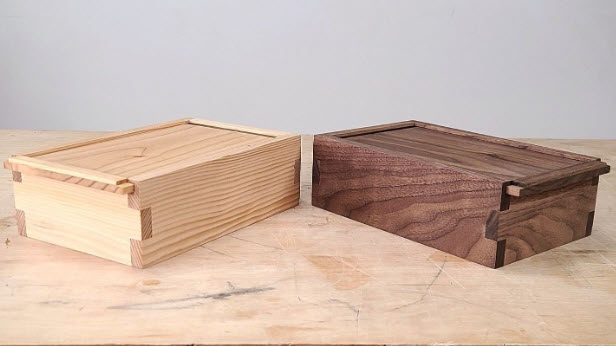
Many beginners think joinery has to be complicated, but simple joints can be very strong when done correctly. A basic butt joint with glue and screws can work well for many beginner projects.
The key is making sure your pieces are square, aligned, and clamped properly while the glue dries. Even a simple joint can fail if the boards shift during assembly.
As your skills improve, you can learn more advanced joints like pocket holes, dado joints, rabbets, and half-lap joints. But for beginners, simple and strong is better than complicated and frustrating.
7. Understanding Wood Grain
Grain direction affects cutting and sanding.
Working with grain:
Cuts smoother
Sands easier
Prevents splintering
Ignoring grain leads to rough results.
Wood grain is the direction of the fibers in the board. Learning to read grain helps you understand how wood behaves when you cut, plane, sand, or finish it.
When sanding, moving with the grain usually creates a smoother surface. When cutting, grain direction can affect whether the wood chips or splinters.
This skill takes time to develop, but beginners should start paying attention to the lines and patterns in the wood. The more you notice grain direction, the better your results will become.
8. Using Clamps Correctly
Clamps hold pieces steady during assembly.
Benefits:
Improves alignment
Strengthens glue bonds
Prevents movement
Clamps act like extra hands.
Clamps are one of the most useful tools in woodworking. They help hold wood in place while you drill, glue, screw, or assemble parts.
Many beginners try to hold pieces by hand while working, but this often leads to crooked holes, poor alignment, and unsafe cutting. A clamp keeps the wood steady so you can focus on accuracy.
When gluing boards together, clamps apply pressure while the glue dries. However, you do not need to overtighten them. Too much pressure can squeeze out too much glue or shift the pieces out of position.
9. Planning Projects
Planning prevents mistakes and wasted materials.
Good planning includes:
Measuring twice
Reviewing steps
Checking materials
Preparing tools
Preparation saves time and frustration.
Project planning is one of the most valuable basic woodworking skills because it affects everything that happens next. Before cutting wood, you should know what you are building, what sizes you need, and what order the steps should happen in.
A simple sketch can help. It does not have to be professional. Even a rough drawing with measurements can prevent confusion.
Planning also helps you avoid buying too much or too little material. Before starting, make a basic cut list so you know how many boards you need and what sizes they should be.
10. Fixing Mistakes
Mistakes happen in every project.
Learning to fix them teaches:
Problem solving
Patience
Adaptability
Fixing mistakes is a core woodworking skill.
Every woodworker makes mistakes, even experienced ones. The difference is that experienced woodworkers know how to slow down and correct the problem.
A board cut too short might be replaced, adjusted, or used somewhere else. A small gap might be filled, sanded, or hidden with trim. A crooked screw hole can often be corrected with wood filler or a plug.
Beginners should not see mistakes as failure. Mistakes are part of learning basic woodworking skills. Each one teaches you what to do better next time.
Skill Difficulty Ranking
| Skill | Difficulty | Importance |
|---|---|---|
| Measuring | Easy | ⭐ Essential |
| Cutting | Medium | ⭐ Essential |
| Sanding | Easy | High |
| Drilling | Easy | High |
| Joining | Medium | Essential |
| Planning | Easy | Essential |
Most beginner skills are easy to learn but powerful when combined.
Best Order to Learn Woodworking Skills
Follow this progression:
Measuring
Marking
Cutting
Sanding
Drilling
Joining
Project planning
This order builds skills logically.
Once you can measure, mark, and cut accurately, everything else becomes easier. Sanding improves the look of your project. Drilling and joining help you assemble it. Planning helps you avoid mistakes before they happen.
Fastest Way to Practice Skills
Practice doesn’t require full projects.
Skill practice exercises
Cut straight lines repeatedly
Drill holes in scrap wood
Sand boards smooth
Practice measuring
Assemble small scrap-wood joints
Clamp boards together squarely
Short practice sessions improve skills quickly.
One of the best ways to practice is to use scrap wood before starting a real project. For example, before drilling into your actual project board, drill a few test holes in scrap wood. Before making an important cut, practice it on an extra piece.
This builds confidence and reduces expensive mistakes.
Easy Beginner Projects That Build Skills
The best beginner projects are simple, useful, and forgiving.
Good starter projects include:
Small shelf
Simple workbench
Wooden crate
Tool holder
Plant stand
Basic storage box
Wall-mounted rack
These projects help you practice measuring, cutting, sanding, drilling, and joining without being too complicated.
A small shelf is one of the best first projects because it teaches straight cuts, square assembly, sanding, and screw placement. A wooden crate is also useful because it gives you repeated practice with similar pieces.
Biggest Skill-Building Mistakes
Avoid these common beginner errors:
Skipping fundamentals
Buying tools instead of practicing
Rushing projects
Starting complex builds
Ignoring measurement accuracy
Not using clamps
Forgetting to sand edges
Using the wrong screws
Cutting without a clear mark
Most slow progress comes from skipping basics.
It is easy to think a better tool will solve every problem, but many beginner problems come from poor technique. A better saw will not fix inaccurate measuring. A better drill will not fix crooked holes. Good tools help, but skills matter more.
Signs Your Skills Are Improving
You’re getting better when:
Cuts look cleaner
Pieces fit together easily
Mistakes decrease
Projects take less time
Confidence grows
You understand why mistakes happen
Your sanding looks smoother
Your joints feel stronger
Progress often appears gradually, then suddenly.
At first, woodworking may feel slow. That is normal. Over time, your hands become steadier, your eyes notice details faster, and your projects start coming together more smoothly.
Pro Tips for Learning Faster
Follow these proven strategies:
Practice daily if possible
Repeat simple builds
Focus on accuracy
Work slowly
Learn from mistakes
Use scrap wood often
Keep your workspace organized
Finish small projects before starting big ones
Consistency beats talent every time.
The fastest way to improve is to build often. You do not need to spend hours every day. Even short practice sessions can help you improve your basic woodworking skills if you stay consistent.
FAQ
What is the most important woodworking skill?
Measuring accurately is often considered the most important skill.
How long does it take to learn basic woodworking skills?
Most beginners develop basic skills within a few weeks of practice.
Can I learn woodworking without tools?
You need basic tools, not expensive ones.
Should beginners focus on projects or skills?
Skills first, projects second. Projects improve when skills improve.
What is the easiest woodworking skill to learn first?
Measuring and sanding are two of the easiest skills to start with.
What basic woodworking skills should I practice every week?
Practice measuring, marking, cutting, sanding, drilling, and assembling simple joints.
Final Verdict
Woodworking success comes from mastering fundamental skills, not collecting tools. Measuring, cutting, sanding, drilling, and joining are the core abilities every beginner should learn first.
If you focus on these basics, you’ll progress faster, build better projects, and enjoy woodworking much more.
The best part is that basic woodworking skills can be learned one step at a time. You do not need a huge shop, expensive equipment, or years of experience to get started. You only need patience, practice, and a willingness to learn from each project.
What To Read Next
To continue improving your woodworking ability:
Beginner mistakes guide
Easy starter projects
Beginner tool checklist
Woodworking safety basics
Best beginner woodworking tools
These will help you strengthen your skills step by step.