How Much Time Does It Take to Get Good at Woodworking Beginners
One of the biggest questions beginners ask before starting woodworking is how long does it actually take to get good? Some people expect fast results, while others assume it takes years to build anything useful.
The truth is somewhere in the middle. Woodworking skill develops in stages. You can start building simple projects fairly quickly, but becoming highly skilled takes consistent practice over time. The good news is that you do not need mastery to enjoy woodworking or build useful, good-looking projects.
In this guide, you will learn a realistic woodworking learning timeline, what progress usually looks like at each stage, what slows beginners down, and how to improve faster without getting frustrated.
Quick Answer: How Long Does It Take to Learn Woodworking?
Most beginners can build simple woodworking projects within 1 to 2 weeks and become comfortable with the basic skills in about 2 to 3 months.
Mastery takes years, but useful woodworking skills develop much faster than most people think. If you practice consistently, you can make real progress in a short amount of time.
That is an important point for beginners to remember. You do not need to wait years before you can build shelves, boxes, stools, organizers, or small furniture projects. Useful skill comes first. Mastery comes later.
The Real Woodworking Learning Timeline
How fast you improve in woodworking depends less on talent and more on practice frequency, patience, and repetition.
A beginner who practices regularly will usually improve much faster than someone who only builds occasionally. Woodworking is one of those skills where small repeated actions create noticeable improvement over time.
Week 1–2: Beginner Stage
During the first week or two, most beginners start learning the core fundamentals.
What you will learn early on
- Measuring more accurately
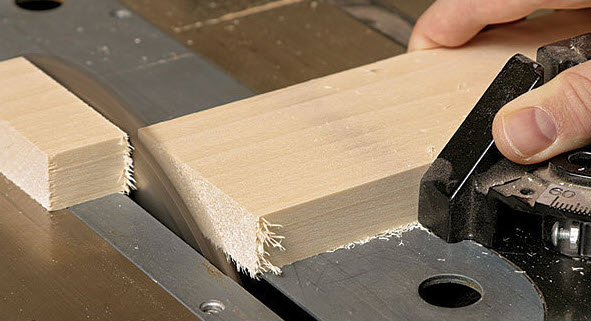
- Cutting straighter lines
- Basic sanding
- Simple assembly
- Following a basic plan
At this point, your projects may still look rough in places, and mistakes will happen often. That is completely normal. This stage is less about perfection and more about learning how tools, wood, and measurements work together.
Projects you can build in the first 1–2 weeks
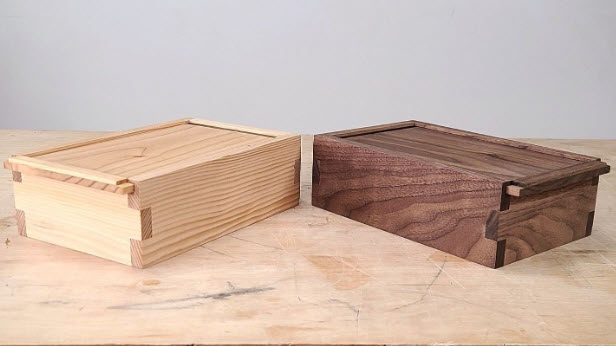
- Simple boxes
- Basic shelves
- Small organizers
- Practice pieces
- Scrap wood projects
The goal in this stage is not to impress anyone. The goal is to become familiar with the process and start building confidence.
Month 1: Confidence Stage
After a few weeks of regular practice, most beginners begin to feel more comfortable. This is where woodworking starts becoming more enjoyable because your cuts improve, your projects fit together better, and you begin to understand your mistakes more clearly.
What improves after about a month
- Better accuracy
- More control with tools
- Improved measuring habits
- Better project planning
- More confidence in basic tasks
Projects you may be able to build
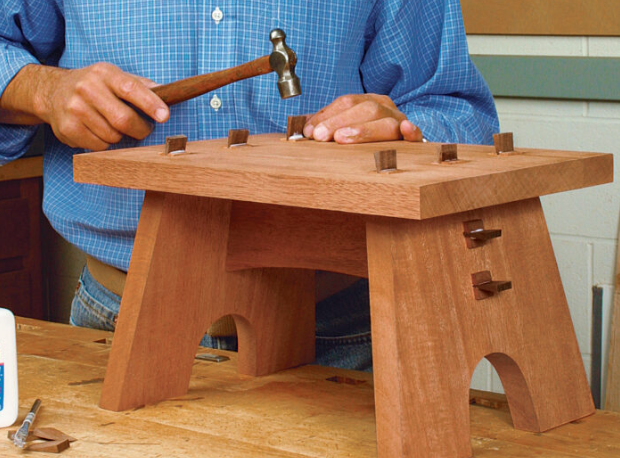
- Small furniture pieces
- Simple stands
- Storage projects
- Wall shelves
- Entry-level home decor items
Mistakes still occur during this stage, but they are less frequent. More importantly, you start learning how to fix them.
Months 2–3: Competent Stage
For many beginners, this is where things start to click. If you practice consistently, 2 to 3 months is often enough time to become comfortable with the core woodworking basics.
Skills usually gained in this stage
- Cleaner cuts
- Stronger joints
- Better sanding and finishing
- More efficient workflow
- Improved project accuracy
At this stage, your projects often begin to look cleaner and more polished. They may not be perfect, but they’re starting to look more intentional and well-built. This is when many beginners realize they are actually becoming capable woodworkers.
Around 6 Months: Intermediate Level
By the six-month mark, regular practice usually leads to major progress. Woodworking starts to feel less confusing and more natural.
What improves around 6 months
- Projects look more polished
- Measurements are more precise
- Planning feels easier
- Tool use feels more natural
- Mistakes become easier to prevent
Projects you may begin tackling
- Furniture builds
- Custom designs
- More advanced storage projects
- Better-looking home projects
- Stronger joinery work
This is also the stage where many woodworkers begin experimenting more. Instead of only following simple plans, they start making changes, customizing dimensions, or trying slightly more advanced techniques.
1 Year: Advanced Beginner
After a year of consistent work, most beginners become what many would call an advanced beginner. This is a very solid level to reach.
What often happens after 1 year
- Mistakes become less frequent
- Projects look more professional
- Material choices make more sense
- You understand basic troubleshooting
- Builds feel more efficient and controlled
Most hobby woodworkers are very happy at this level because they can build a wide range of useful and attractive projects without needing expert-level mastery. In fact, many people never need to go beyond this stage to enjoy woodworking in a meaningful way.
How Long Does It Take to Master Woodworking?
True mastery in woodworking usually takes 3 to 5 years of regular practice, and often longer, depending on the type of work you want to do.
But here is the important truth: you do not need mastery to build great projects.
That idea holds many beginners back. They think if they are not highly skilled yet, they should wait before trying real projects. In reality, woodworking skill grows by building projects, not by waiting until you feel ready.
Learning Speed Comparison
The speed of your progress depends heavily on how often you practice.
| Practice Time | Progress Speed |
|---|---|
| Once per week | Slow |
| 2–3 times per week | Fast |
| Daily | Very fast |
Consistency matters more than natural ability. A beginner who practices a few times every week will usually improve much faster than someone who practices only once in a while.
What Determines How Fast You Learn Woodworking?
Several things affect how quickly a beginner improves.
Faster learners often:
- Practice regularly
- Start with simple projects
- Learn from mistakes
- Follow clear plans
- Focus on fundamentals
Slower learners often:
- Rush projects
- Buy tools instead of practicing
- Start with complex builds
- Skip careful measuring
- Expect fast perfection
The quality of your practice matters more than the amount of time you spend. One focused hour of careful work teaches more than several rushed hours full of avoidable mistakes.
Biggest Mistakes That Slow Progress
Many beginners slow their own progress without realizing it.
Common mistakes that make learning harder
- Starting with advanced projects
- Expecting perfection immediately
- Ignoring the basics
- Buying too many tools
- Comparing yourself to experienced woodworkers
These habits create frustration and unrealistic expectations. The fastest learners are usually the ones who accept that mistakes are part of the process and keep building anyway.
How to Learn Woodworking Faster
If you want to improve more quickly, focus on repetition and basics.
Proven ways to speed up woodworking progress
- Practice on scrap wood
- Repeat the same project more than once
- Watch tutorials before building
- Measure carefully every time
- Focus on technique before speed
Woodworking skill grows fastest when repetition meets patience. Doing the same type of cut, joint, or project multiple times often teaches more than constantly jumping to something new.
Signs You Are Improving
Progress in woodworking often happens gradually, then suddenly becomes obvious.
Clear signs your woodworking skills are improving
- Your cuts are straighter
- Projects fit together more cleanly
- You make fewer mistakes
- You feel more confident while building
- Projects take less time to complete
You may not notice improvement from one day to the next, but over a few weeks or months the difference can be dramatic. That is why consistency matters so much.
Beginner vs Experienced Woodworker
Here is a simple look at how skills usually change over time:
| Skill Area | Beginner | Experienced |
|---|---|---|
| Accuracy | Inconsistent | Precise |
| Speed | Slow | Efficient |
| Mistakes | Frequent | Rare |
| Confidence | Low | High |
| Planning | Basic | Detailed |
Every expert woodworker once struggled with the same things beginners struggle with now. Skill is built, not born.
Pro Tips From Experienced Woodworkers
A few simple habits can dramatically shorten the learning curve.
Smart advice for beginners
- Focus on accuracy before speed
- Practice fundamentals repeatedly
- Accept mistakes as part of learning
- Keep early projects simple
- Build often
These habits may not sound exciting, but they work. The woodworkers who improve fastest are usually not the most naturally talented. They are the ones who stay patient, practice often, and keep showing up.
FAQ: How Long to Learn Woodworking
Can you learn woodworking in a month?
You can learn the basic skills in a month, but your ability will continue improving with more practice.
How fast can beginners build their first project?
Many beginners can complete a first simple project within a few days to two weeks.
Is woodworking hard to learn?
The basics are not too hard to learn, but mastering advanced techniques takes time.
Do you need talent to learn woodworking?
No. Consistent practice matters much more than natural ability.
Can I build useful projects before I am “good” at woodworking?
Yes. Many beginners build useful and attractive projects long before they feel highly skilled.
What matters more, tools or practice?
Practice matters far more in the beginning. A few basic tools used well are better than a shop full of tools you do not know how to use.
Final Verdict
Learning woodworking does not take as long as many beginners think. While true mastery can take years, you can start building real projects within weeks and become comfortable with basic woodworking skills in just a few months.
The fastest way to improve is simple: start small, practice often, and stay patient. Progress comes from consistency, not perfection.
If you keep building, keep learning, and keep repeating the basics, you will improve much faster than you expect.
What To Read Next
To continue building your woodworking skills, read these next:
- Beginner woodworking mistakes to avoid
- Easy beginner woodworking projects
- Essential woodworking tool list
Each one will help you improve faster and build with more confidence.