How Much Does It Cost to Start Woodworking? Beginner Budget Guide
One of the most common questions beginners ask is: How much does it actually cost to start woodworking? Many people assume woodworking is an expensive hobby that requires thousands of dollars in tools, machines, and a full workshop. That idea stops a lot of beginners before they ever get started.
The truth is much simpler. Woodworking can be started on almost any budget if you focus on essential tools, affordable materials, and simple projects. You do not need a large shop or expensive equipment to begin learning real woodworking skills.
In this beginner woodworking budget guide, you will see the real cost to start woodworking, what tools you actually need, the hidden costs beginners often forget, and how to get started without wasting money.
Quick Answer: How Much Does It Cost to Start Woodworking?
Most beginners can start woodworking for $100 to $300, depending on the tools they choose and whether they already own a few basics.
A small beginner setup with essential tools and inexpensive wood is enough to complete many starter projects like shelves, planter boxes, storage crates, stools, and simple wall organizers.
If you already own a drill, tape measure, or basic hand tools, your startup cost may be even lower.
Beginner Woodworking Budget Overview
Here is a realistic beginner woodworking budget breakdown:
| Budget Level | Cost | Setup Type |
|---|---|---|
| Ultra budget | $75–$100 | Bare essentials |
| Starter | $100–$200 | Comfortable beginner setup |
| Recommended | $200–$300 | Best value starting point |
| Expanded | $400+ | Includes upgrades |
For most people, the best beginner woodworking budget falls between $150 and $250. That is usually enough to buy a few basic tools, some wood, and the small supplies needed to complete your first few projects.
Do You Need an Expensive Workshop to Start?
No. This is one of the biggest myths about beginner woodworking.
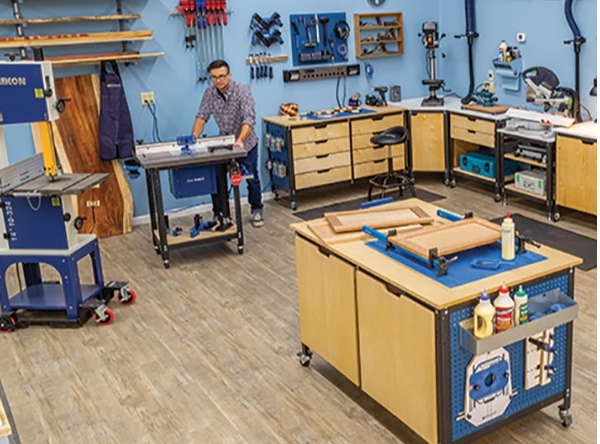
Many beginners compare themselves to experienced woodworkers with table saws, miter saws, dust collection systems, and garages full of equipment. But that is not where most people start.
Many woodworkers begin with:
- A drill
- A few hand tools
- Cheap lumber
- A simple work surface
You can start woodworking in a garage corner, driveway, patio, shed, or utility room. The most important thing is having a safe and stable place to measure, cut, and assemble projects.
Minimum Tools Budget for Beginners
You do not need a huge collection of tools to begin woodworking. A small set of beginner tools can take you a long way.
Essential beginner woodworking tools and costs
| Tool | Estimated Cost |
|---|---|
| Handsaw | $15–$30 |
| Drill | $50–$120 |
| Measuring tools | $10–$25 |
| Clamps | $20–$50 |
| Sandpaper | $10 |
| Square | $15–$40 |
Estimated total: about $120 to $250
These tools are enough for many beginner woodworking projects. You can build small shelves, boxes, plant stands, storage bins, and basic home projects while learning the core skills of measuring, cutting, drilling, sanding, and fastening.
A smart rule for beginners is this: buy tools for the projects you plan to build now, not for future projects you may never make.
Wood Material Budget
One of the most overlooked parts of the cost to start woodworking is the price of materials.
Beginner-friendly wood options
- Pine boards → affordable and easy to work with
- Construction lumber → cheap and widely available
- Scrap wood → often free or very low cost
Typical beginner material budget: $20 to $60 for the first few projects.
Wood prices vary by region and the type of wood you buy. Hardwoods cost much more than softwoods, which is why pine and construction lumber are often the best choice for beginners. They are more budget-friendly and good for practicing basic woodworking skills.
Using scrap wood for practice cuts and test assemblies is also a smart way to save money.
Workspace Cost (Optional)
Many beginners already have a usable space and do not need to buy anything special.
Possible beginner workspaces
| Setup | Estimated Cost |
|---|---|
| Old table | Free |
| Folding table | $30–$60 |
| Portable workbench | $70–$150 |
You do not need a dedicated woodworking bench to start. A simple, sturdy surface is enough for many beginner projects.
Hidden Costs Beginners Forget
Small items can add up quickly if you do not include them in your woodworking budget.
Common hidden woodworking costs
- Screws
- Wood glue
- Sandpaper refills
- Safety glasses
- Measuring pencils
- Replacement blades
Estimated extra cost: $20 to $50
These may seem like minor expenses, but they are needed for almost every project. If you do not budget for them, your actual startup cost may feel higher than expected.
It is also smart to leave a little room in your budget for mistakes. Most beginners buy an extra board, extra screws, or more sandpaper during their first few builds.
Cheapest Way to Start Woodworking
If your goal is to keep costs low, the best approach is to keep things simple.
Smart beginner strategy
- Buy only essential tools
- Start with scrap wood or cheap pine
- Build simple projects first
- Upgrade tools slowly
- Avoid large machines in the beginning
This is often the cheapest and smartest way to start woodworking. It allows you to learn the basics before spending more money on equipment you may not actually need.
Biggest Money-Wasting Mistakes
Most beginners do not overspend because woodworking is not expensive. They overspend because they buy too much too soon.
Common beginner woodworking budget mistakes
- Buying expensive tool kits immediately
- Purchasing tools before choosing projects
- Starting with premium brands
- Buying big machines early
- Upgrading tools too fast
Another common mistake is buying too much wood at once. New woodworkers often think bulk buying saves money, but it usually leads to waste, clutter, and poorly planned projects.
Realistic First-Month Budget Example
Here is a practical example of a beginner woodworking startup budget:
| Category | Cost |
|---|---|
| Tools | $150 |
| Materials | $40 |
| Supplies | $30 |
Total: about $220
This is enough to complete multiple beginner woodworking projects and start building useful skills. With a setup like this, you could build a shelf, crate, planter box, or simple stool.
Budget vs Skill Growth
Interestingly, spending more money does not always lead to faster progress.
| Spending Level | Skill Growth |
|---|---|
| Low budget | Fast learning |
| Medium budget | Steady growth |
| High budget | Often slower at first |
Why? Because beginners with fewer tools tend to focus on the basics:
- Accurate measuring
- Straight cuts
- Proper assembly
- Sanding technique
- Problem solving
In the early stage, skill matters more than expensive equipment.
Pro Tips for Saving Money
If you want to reduce the cost to start woodworking even more, use these tips:
- Buy used tools
- Borrow tools when possible
- Shop seasonal sales
- Practice on scrap wood
- Upgrade only when necessary
Yard sales, estate sales, flea markets, local classifieds, and online marketplaces can be great places to find affordable beginner woodworking tools.
Signs You Are Ready to Spend More
There is nothing wrong with upgrading your setup later. The key is spending money only when it makes sense.
Good reasons to increase your woodworking budget
- You build often
- Your projects are limited by your current tools
- Your skills are improving consistently
- You know exactly what tool you need next
The best upgrades usually come from experience. Let your projects show you what to buy next.
Why Starting Cheap Is Actually Better for Beginners
Starting cheap has several real advantages.
First, it reduces pressure. If your first setup is affordable, mistakes do not feel as costly. That makes it easier to experiment, practice, and improve.
Second, it keeps you focused on skills instead of gear. A beginner with a few basic tools often learns more than someone who buys a full shop before making their first project.
Third, it makes woodworking feel realistic and accessible. Instead of turning it into a major financial commitment, you can treat it like a practical skill that grows over time.
FAQ: Cost to Start Woodworking
Can you start woodworking for under $100?
Yes. If you buy only the most essential tools and use scrap wood or cheap construction lumber, you can start for under $100.
Is woodworking expensive long-term?
It can be, but it does not have to be. Long-term costs depend on the tools you buy and the types of projects you build.
What is the most important beginner tool?
A drill is usually the most versatile and useful first power tool for beginners.
Should beginners buy cheap tools?
Yes. Cheap tools are fine for learning the fundamentals. You can upgrade later once you know what you use most.
Do I need power tools to start woodworking?
No. You can begin with a few hand tools and a drill.
Is buying used tools a good idea?
Yes. Used tools can be one of the best ways to lower your beginner woodworking budget.
Final Verdict
Starting woodworking does not require a huge investment. For most people, the real cost to start woodworking is under $250.
You do not need a full workshop, expensive machines, or premium tools to begin building real projects. What you actually need is:
- A few essential tools
- Affordable wood
- Basic supplies
- A simple workspace
- Time to practice and improve
Woodworking becomes expensive only when beginners rush into buying equipment they do not need.
Start small, build simple projects, learn the basics, and upgrade gradually. That is the smartest and most cost-effective way to begin woodworking.
What to Read Next
To keep building your woodworking journey, read these next:
- Cheapest way to start woodworking
- Beginner woodworking tool list
- Easy beginner woodworking projects
Each one can help you improve faster while saving money.