Hand Tools vs Power Tools: Which Are Best for Beginners?
One of the first decisions every beginner woodworker faces is whether to start with hand tools or power tools. Many people assume power tools are better because they’re faster and more modern, while others believe hand tools are the “proper” or traditional way to learn the craft.
The truth is, both types of tools have distinct advantages—and the best choice depends on your specific goals, available budget, workspace limitations, and current experience level. Understanding which tools to prioritize can mean the difference between building confidence quickly and feeling overwhelmed by expensive equipment you don’t yet know how to use effectively.
When searching for the best wood tools for beginners, you’ll encounter conflicting advice. Some experts advocate for a hand-tool-only approach, while others recommend jumping straight into power tools. The reality is more nuanced than either extreme suggests.
In this guide, you’ll learn the real differences between hand tools and power tools, which category contains the best wood tools for beginners, when you should start using each type, and how to build a balanced toolkit that grows with your skills.
Quick Answer
Hand tools are generally the best wood tools for beginners because they’re more affordable, safer to learn with, and teach better control and technique. Power tools become valuable later for speed and efficiency on larger projects. Most beginners should start with essential hand tools and gradually add power tools as their skills, project complexity, and budget expand.
What Are Hand Tools?
Hand tools are woodworking implements powered entirely by your own physical strength and manual effort rather than electricity or batteries. These traditional tools have been the foundation of woodworking for thousands of years and remain essential even in modern workshops.
Common Woodworking Hand Tools:
Cutting Tools:
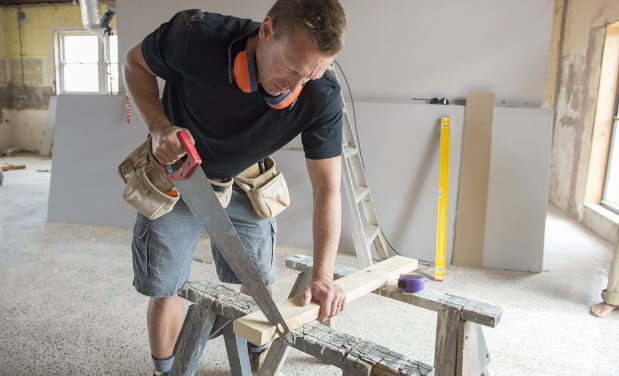
- Handsaw – For crosscuts, rip cuts, and general wood cutting
- Coping saw – For curved cuts and intricate shapes
- Chisel set – For removing material, creating joints, and detail work
- Hand plane – For smoothing surfaces and removing thin layers of wood
Fastening and Assembly:
- Hammer – For driving nails and general assembly work
- Screwdriver set – For manual screw driving and adjustment
- Mallet – For striking chisels and gentle assembly work
Measuring and Marking:
- Tape measure – For general measurements
- Combination square – For checking angles and marking lines
- Marking gauge – For precise layout work
- Pencils and marking knives – For accurate marking
These tools provide direct tactile feedback, allowing you to feel the wood’s grain and resistance. This sensory connection helps beginners develop an intuitive understanding of how wood behaves—knowledge that proves invaluable regardless of which tools you eventually use.
What Are Power Tools?
Power tools use electricity (corded) or rechargeable batteries (cordless) to operate mechanical cutting, drilling, or sanding mechanisms. These modern tools amplify human effort through motors and engineered systems, making woodworking tasks faster and less physically demanding.
Common Woodworking Power Tools:
Essential Power Tools:
- Cordless drill/driver – For drilling holes and driving screws efficiently
- Circular saw – For straight cuts through boards and sheet goods
- Random orbital sander – For smooth finishing and surface preparation
- Jigsaw – For curved cuts and intricate shapes
Intermediate Power Tools:
- Miter saw – For precise crosscuts and angled cuts
- Router – For edge profiles, grooves, and decorative work
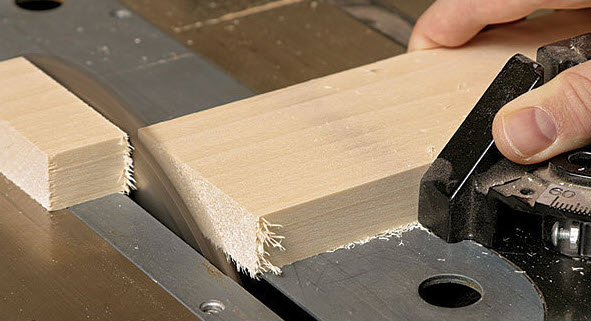
- Table saw – For accurate rip cuts and repeated cuts
Power tools are designed to make tasks faster and easier, especially for large projects or when working with hardwoods that require significant effort to cut manually. They represent a significant investment but can dramatically increase productivity once you’ve developed the skills to use them safely and effectively.
Hand Tools vs Power Tools — Key Differences
Understanding the practical differences helps you choose the best wood tools for beginners for your specific situation.
| Feature | Hand Tools | Power Tools |
|---|---|---|
|
Initial Cost
|
Low ($50-$200 starter set)
|
Medium–High ($200-$1000+ starter set)
|
|
Operating Speed
|
Slow (manual pace)
|
Fast (motor-driven)
|
|
Noise Level
|
Quiet (conversation-friendly)
|
Loud (hearing protection required)
|
|
Learning Curve
|
Easier (intuitive operation)
|
Moderate (safety training needed)
|
|
Maintenance
|
Low (occasional sharpening)
|
Medium (blade changes, cleaning)
|
|
Workspace Requirements
|
Minimal (portable, compact)
|
Larger (storage, dust collection)
|
|
Physical Effort
|
High (muscle-powered)
|
Low (motor-powered)
|
|
Safety Risk
|
Lower (slower, more control)
|
Higher (fast-moving parts)
|
|
Dust Generation
|
Minimal
|
Significant (requires management)
|
Each type excels in different situations, and understanding these distinctions helps you select the best wood tools for beginners based on your priorities and constraints.
Why Beginners Should Start With Hand Tools
Starting with hand tools provides several critical advantages that accelerate skill development and build a strong foundation for all future woodworking:
1. Lower Financial Barrier to Entry
The best wood tools for beginners shouldn’t require a massive upfront investment. A quality starter set of hand tools costs $100-$200, while a comparable power tool setup easily exceeds $500-$1000. This lower cost allows beginners to start woodworking immediately without financial stress.
2. Safer Learning Environment
Hand tools operate at human speed, giving you time to recognize and correct mistakes before they become dangerous. Power tools spin at thousands of RPM, leaving no margin for error. Learning proper technique with hand tools builds safety awareness that transfers to power tool use later.
3. Superior Skill Development
Hand tools force you to learn proper technique because they won’t work effectively without it. A dull handsaw teaches you about blade angles and pressure. A hand plane reveals grain direction and cutting depth. These lessons create deep understanding that makes you a better woodworker regardless of which tools you eventually use.
4. Better Control and Precision
With hand tools, you control every aspect of the cut—speed, angle, depth, and pressure. This direct control helps beginners develop the muscle memory and spatial awareness essential for quality woodworking. Power tools can mask poor technique temporarily, but hand tools reveal it immediately, forcing improvement.
5. Quieter Operation for Shared Spaces
If you live in an apartment or share your workspace, hand tools allow you to work without disturbing others. You can woodwork at any hour without noise complaints, making it easier to practice regularly and build skills consistently.
6. Develops Problem-Solving Skills
When a hand tool isn’t working well, you must diagnose and fix the problem—sharpening a blade, adjusting a plane iron, or changing your technique. This troubleshooting builds mechanical understanding and self-reliance that serve you throughout your woodworking journey.
When Power Tools Become Useful
Power tools are best added once you understand basic woodworking principles and have completed several projects with hand tools. They should enhance your capabilities, not replace fundamental skills.
Good Times to Add Power Tools:
After Completing Several Projects – Once you’ve built 5-10 projects using primarily hand tools, you’ll understand where power tools would genuinely help versus where they’re unnecessary.
When Speed Becomes Important – If you’re taking on larger projects or want to build multiple pieces, power tools dramatically reduce time investment.
When Working With Hardwood – Dense hardwoods like oak, maple, and walnut require significant physical effort to cut and shape by hand. Power tools make working with these premium materials much more practical.
When Making Large Projects – Furniture pieces, built-ins, and outdoor structures involve cutting many boards to length. Power tools prevent the physical fatigue that would make these projects impractical with hand tools alone.
When Your Budget Allows Quality Tools – Cheap power tools can be dangerous and frustrating. Wait until you can afford quality mid-range tools rather than buying budget options that break quickly or perform poorly.
Best Starter Tool Combination for Beginners
Most beginners achieve the best results with a strategic mix of hand tools and one essential power tool. This balanced approach provides the best wood tools for beginners while staying within a reasonable budget.
Ideal Beginner Setup ($200-$300):
Essential Hand Tools:
- Handsaw (crosscut or Japanese pull saw) – $20-$40
- Combination square – $15-$30
- Tape measure (25-foot) – $10-$20
- Chisel set (4-piece basic set) – $30-$60
- Block plane – $30-$70
- Clamps (4-6 bar clamps and quick grips) – $40-$80
- Hammer – $15-$25
- Marking tools (pencils, marking gauge) – $10-$20
First Power Tool:
- Cordless drill/driver – $60-$120
Consumables:
- Sandpaper assortment – $15-$25
- Safety equipment (glasses, dust mask) – $15-$30
Total Investment: Approximately $250-$500
This combination balances cost, safety, and capability while providing everything needed to complete dozens of beginner projects. The drill is the only power tool because it’s the most versatile and safest for beginners to learn on.
Advantages of Hand Tools
Hand tools offer unique benefits that make them among the best wood tools for beginners:
Financial Benefits:
- Affordable initial investment – Complete starter sets under $200
- No ongoing electricity costs – Zero operating expenses
- Longer lifespan – Quality hand tools last decades with minimal maintenance
Practical Benefits:
- Portable and compact – Easy to store and transport
- Quiet operation – Work anytime without disturbing others
- Low maintenance – Occasional sharpening is the primary requirement
- No power source needed – Work anywhere, including outdoors
Skill Development Benefits:
- Teaches proper technique – Forces you to learn fundamentals correctly
- Develops muscle memory – Builds physical understanding of woodworking
- Enhances wood understanding – Direct feedback about grain, hardness, and behavior
Quality of Life Benefits:
- Meditative and relaxing – Quiet, focused work reduces stress
- Better for hearing – No hearing protection required
- Cleaner workspace – Minimal dust generation
- Safer for beginners – Lower risk of serious injury
Advantages of Power Tools
Power tools become valuable additions once you’ve developed fundamental skills:
Efficiency Benefits:
- Faster cutting – Complete cuts in seconds versus minutes
- Easier on large projects – Reduce physical fatigue significantly
- Consistent results – Motor-driven precision for repeated cuts
- Less physical effort – Accessible for people with physical limitations
Capability Benefits:
- Handle hardwoods easily – Cut dense materials without exhaustion
- Process large stock – Break down full sheets and long boards
- Create complex profiles – Routers and specialized tools expand possibilities
Professionals often rely on power tools for productivity, but use them alongside hand tools rather than as replacements. The best wood tools for beginners eventually include both categories as skills advance.
Which Type Produces Better Results?
Many beginners assume power tools automatically produce better results because they’re more expensive and technologically advanced, but this assumption is fundamentally incorrect.
The Reality: Skill determines quality—not tool type or price.
A skilled craftsperson with basic hand tools consistently outperforms a beginner using expensive power tools. Quality woodworking depends on:
- Understanding wood behavior – How grain affects cutting and finishing
- Proper technique – Correct angles, pressure, and motion
- Accurate measurement – Precise layout and marking
- Patience and care – Taking time to do things correctly
Think of tools as amplifiers of your existing skill:
- Good technique + hand tools = excellent results
- Good technique + power tools = excellent results faster
- Poor technique + hand tools = poor results
- Poor technique + power tools = poor results faster (and more dangerously)
This is why the best wood tools for beginners focus on building skills first, then adding speed and efficiency through power tools later.
Common Beginner Mistakes When Choosing Tools
Avoid these common mistakes that waste money and slow your progress:
1. Buying Power Tools Too Early – Many beginners purchase a full set of power tools before completing a single project, leading to expensive equipment sitting unused.
2. Thinking Expensive Tools Improve Skill – Premium tools don’t make you a better woodworker—they simply work better in skilled hands.
3. Ignoring Safety Considerations – Beginners often underestimate the dangers of power tools, skipping safety equipment or proper training.
4. Choosing Speed Over Accuracy – Rushing to complete projects with power tools before developing accuracy skills leads to wasted materials and frustrating results.
5. Buying Tools Without Projects Planned – Purchasing tools because they seem useful or are on sale wastes money on equipment that may sit unused for years.
6. Neglecting Measuring and Marking Tools – Many beginners invest heavily in cutting tools while using cheap, inaccurate measuring tools, guaranteeing poor results.
Smart beginners build skills first and tool collections later, ensuring every purchase adds genuine value to their capabilities.
Pro Tips for Choosing Between Hand and Power Tools
Follow these strategic guidelines when selecting the best wood tools for beginners:
- Start With Hand Tools – Begin your woodworking journey with essential hand tools that teach fundamental techniques
- Add Power Tools Slowly – Introduce power tools one at a time, only when you’ve identified a specific need through actual project experience
- Buy Tools Only When Needed – Purchase tools when you have a specific project that requires them
- Prioritize Accuracy Tools First – Measuring, marking, and layout tools deserve your best investment
- Consider Your Workspace – If you work in a small apartment, prioritize quiet, compact hand tools
- Don’t Skimp on Safety – Quality safety glasses, hearing protection, and dust masks are non-negotiable investments
FAQ
Are hand tools better than power tools?
Neither is better overall—each is best for different tasks. Hand tools excel at teaching fundamentals and working in small spaces. Power tools excel at speed and handling large projects. The best wood tools for beginners typically include both types, with hand tools forming the foundation.
Should beginners avoid power tools completely?
Not completely, but beginners should start primarily with hand tools to build fundamental skills. A cordless drill is an excellent first power tool because it’s versatile, relatively safe, and useful on nearly every project.
Do professional woodworkers still use hand tools?
Yes, extensively. Many professionals rely on hand tools for precision work, final fitting, and situations where power tools would be impractical. The best professionals seamlessly combine both tool types.
Can I build furniture using only hand tools?
Yes, absolutely. Many traditional woodworkers build beautiful, high-quality furniture entirely by hand. It requires more time and physical effort, but hand tools are fully capable of producing professional results.
What are the best wood tools for beginners on a tight budget?
Start with these essentials: a handsaw ($20-40), combination square ($15-30), tape measure ($10-20), basic chisel set ($30-60), clamps ($40-80), and sandpaper ($15-25). This $130-255 toolkit covers dozens of beginner projects.
Final Verdict
Hand tools and power tools both have important roles in woodworking, but beginners should usually start with hand tools to build skill, confidence, and control. The best wood tools for beginners are those that teach fundamental techniques while remaining affordable and safe to learn with.
Power tools become valuable later when speed and efficiency matter more than learning fundamentals. They should enhance your existing skills rather than replace the knowledge you’ve built with hand tools.
The smartest approach is to:
- Start with essential hand tools that teach proper technique
- Complete several projects to understand your actual needs
- Add a cordless drill as your first power tool
- Gradually introduce additional power tools as projects demand them
- Maintain both hand and power tool skills throughout your journey
Remember that the best wood tools for beginners aren’t necessarily the most expensive or technologically advanced—they’re the tools that match your current skill level, project goals, and learning style. Build your toolkit strategically, prioritize skill development over equipment collection, and let your growing expertise guide your tool investments.
Whether you ultimately prefer hand tools, power tools, or a combination of both, the foundation you build with hand tools will serve you throughout your entire woodworking journey.
What To Read Next
Continue building your woodworking knowledge:
- Complete beginner woodworking tools list – Comprehensive guide to every tool you’ll eventually need
- Best budget woodworking tools that actually work – Quality tools that won’t break the bank
- Must-have woodworking tools under $200 – Strategic toolkit building on a budget
- Beginner woodworking projects to build skills – Simple builds that teach fundamental techniques
These resources will help you choose the right tools at the right time, ensuring every purchase adds genuine value to your woodworking capabilities.