Beginner Woodworking Mistakes (And How to Avoid Them)
Introduction
Every beginner woodworker makes mistakes—it’s an inevitable part of learning any craft. But the difference between someone who improves quickly and someone who quits in frustration is knowing which beginner woodworking mistakes to avoid early in your journey.
Most beginners don’t struggle because woodworking is inherently difficult. They struggle because they start with the wrong approach, unrealistic expectations, or flawed techniques that compound into bigger problems. Understanding common beginner woodworking mistakes before you make them can save you time, money, and frustration.
In this comprehensive guide, you’ll learn the most common beginner woodworking mistakes, why they happen, and exactly how to avoid them so you can progress faster, build better projects, and actually enjoy the learning process instead of fighting against it.
Quick Answer
The most common beginner woodworking mistakes are inaccurate measuring, rushing cuts, using the wrong tools for the job, and starting projects that are too advanced for your skill level. Avoiding these fundamental errors dramatically accelerates skill development, reduces waste, and builds confidence that keeps you motivated to continue improving.
Mistake #1 — Not Measuring Correctly
Poor measurements ruin more woodworking projects than any other single factor. This is perhaps the most costly of all beginner woodworking mistakes because it wastes materials and time.
Why It Happens
Rushing the process: Beginners often want to start cutting immediately without taking the time to measure carefully.
Guessing lengths: Estimating measurements instead of using precise tools leads to cumulative errors.
Not marking clearly: Faint or unclear marks get lost or misread during cutting.
Using the wrong measuring tools: A bent tape measure or a square that isn’t actually square produces inaccurate results.
How to Avoid It
Measure twice, cut once: This adage exists for a reason. Always verify measurements before making irreversible cuts.
Use a combination square for lines: A quality square ensures your lines are perfectly straight and at correct angles.
Mark clearly with a sharp pencil: Use a carpenter’s pencil or a mechanical pencil with dark, visible lines.
Write measurements on the wood: Note the actual measurement near your cut line to catch errors before cutting.
Check your measuring tools: Verify that your square is actually square and your tape measure is accurate.
Rule: Precision is always more important than speed. Taking an extra 30 seconds to verify measurements saves hours of fixing mistakes.
Mistake #2 — Starting With Projects That Are Too Hard
Many beginners make the critical error of attempting to build complex furniture or advanced projects right away. This is one of the most discouraging beginner woodworking mistakes because it leads to frustration and abandoned projects.
The Problem
Complex builds require skills you haven’t learned yet, including:
- Advanced joinery techniques
- Understanding wood movement
- Precise angle cuts
- Multiple tool proficiencies
- Project planning and sequencing
Jumping to advanced projects before mastering basics is like trying to run before you can walk.
Better Approach
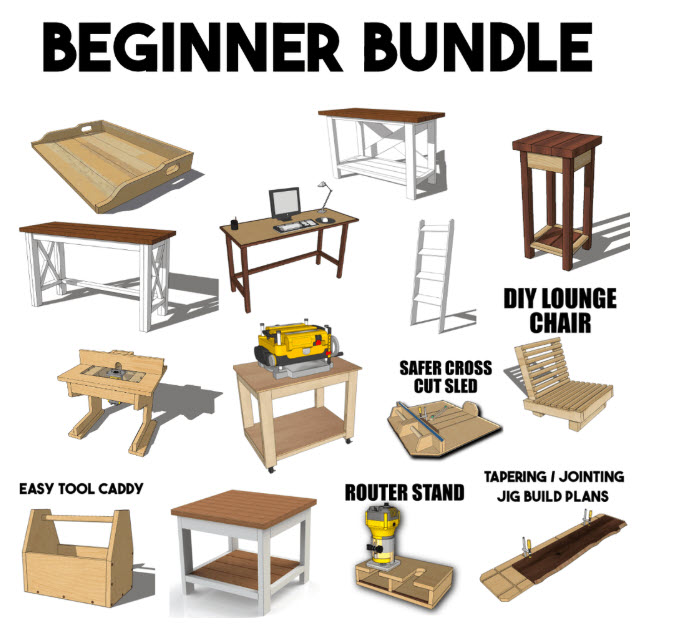
Start with simple builds that teach essential fundamentals:
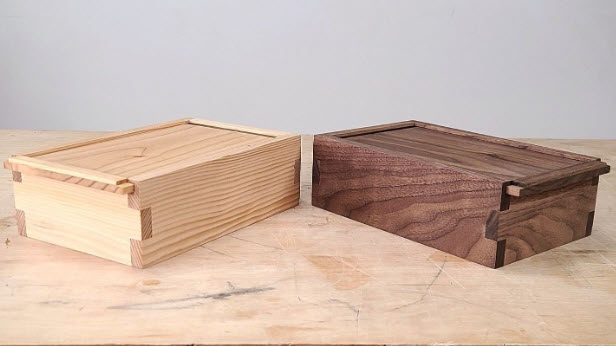
Wooden boxes: Teach basic joinery, measuring, and assembly . Wall shelves: Introduce mounting, leveling, and finishing . Phone or tablet stands: Practice angled cuts and sanding . Tool holders: Combine multiple basic techniques Small crates: Scale up box-building skills
These simple projects systematically build your skill foundation. Each successful project increases confidence and teaches techniques you’ll use in more complex builds later.
Pro tip: Complete at least 5-10 simple projects before attempting furniture or advanced builds. This foundation prevents the beginner woodworking mistakes that come from insufficient experience.
Mistake #3 — Buying Expensive Tools Too Early
New woodworkers often think better tools will automatically fix their mistakes or make them better craftspeople. This is one of the most expensive beginner woodworking mistakes you can make.
Why This Is a Problem
Costs too much: Premium tools drain your budget before you know what you actually need.
Overwhelming: Too many tools create decision paralysis about which to use.
Slows learning: Expensive equipment can’t compensate for a lack of technique and practice.
Creates pressure: When you spend $500 on a tool, you feel pressure to use it even when it’s not the right choice.
Smarter Approach
Buy tools only when you need them for a specific project. This ensures every purchase serves an immediate purpose, and you learn each tool thoroughly before adding another.
Start with basic, budget-friendly tools:
- Handsaw ($15-$35)
- Cordless drill ($40-$80)
- Combination square ($15-$25)
- Clamps ($20-$40)
- Sandpaper ($10-$15)
Upgrade to premium tools only after you’ve used budget versions enough to understand exactly what improvements you need. This prevents one of the most common beginner woodworking mistakes: buying tools you don’t understand how to use effectively.
Mistake #4 — Cutting Too Fast
Rushing through cuts is a dangerous and wasteful mistake that produces poor results and increases injury risk.
Fast Cutting Causes:
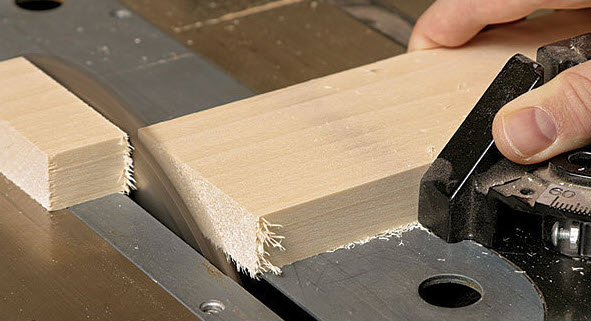
Crooked edges: Uneven pressure creates wandering cuts . Tear-out: Aggressive cutting rips wood fibers instead of cleanly severing them . Splintering: Fast cuts don’t give wood fibers time to separate cleanly . Inaccurate lengths: Rushing leads to cutting past your mark . Safety hazards: Loss of control increases accident risk
The Fix
Cut slowly and steadily. Control matters infinitely more than speed. Professional woodworkers work deliberately, not frantically.
Let the tool do the work: Don’t force cuts—apply steady, even pressure and let the blade cut at its own pace.
Support your work properly: Secure pieces with clamps so you can focus on controlling the tool rather than holding the workpiece.
Take breaks: Fatigue leads to rushing. Step away when you feel tired or frustrated.
Speed comes naturally with practice. Forcing it early is one of the most common beginner woodworking mistakes that leads to wasted materials and dangerous situations.
Mistake #5 — Using the Wrong Wood
Choosing inappropriate wood for your skill level makes learning unnecessarily difficult and expensive. This beginner woodworking mistake frustrates many newcomers who struggle with materials that are too hard to work with.
Beginner-Friendly Woods
Pine: Soft, inexpensive, easy to cut and sand . Poplar: Smooth grain, consistent quality, paints well, Fir: Affordable, readily available, good for structural projects . Cedar: Naturally rot-resistant, pleasant aroma, easy to work
Woods to Avoid Early
Oak: Dense, hard to cut by hand, expensive Maple: Very hard, requires sharp tools and experience Walnut: Premium price, too valuable for practice projects Cherry: Expensive, requires understanding of finishing techniques
Starting with softwood makes learning easier, cheaper, and less frustrating. You can practice techniques on forgiving materials before graduating to premium hardwoods.
Budget tip: Pine costs $3-$8 per board foot while walnut costs $12-$20. Mistakes on pine cost a few dollars; mistakes on walnut cost significantly more.
Mistake #6 — Skipping Sanding
Many beginners rush to finish projects without proper sanding. This beginner woodworking mistake ruins otherwise good projects with rough surfaces and poor finish quality.
Skipping Sanding Leads To:
Rough surfaces: Unpleasant to touch and unprofessional appearance Poor finishes: Stain and paint highlight imperfections instead of hiding them Visible scratches: Tool marks and handling damage remain visible Splinters: Rough wood is dangerous and unusable for many applications
Correct Sanding Method
Sand gradually through progressive grits:
Coarse grit (80-100): Removes major imperfections and tool marks Medium grit (120-150): Smooths surface and removes coarse scratches Fine grit (180-220): Creates smooth, finish-ready surface Extra fine (320+): Optional for ultra-smooth finishes between coats
Always sand with the grain to avoid cross-grain scratches that show through finishes.
Pro tip: Spend as much time sanding as you did cutting and assembling. Proper sanding transforms amateur projects into professional-looking pieces.
Mistake #7 — Ignoring Wood Grain Direction
Cutting or sanding against the grain causes splintering, tear-out, and rough edges. This beginner woodworking mistake is easy to avoid once you understand grain direction.
Understanding Grain
Wood grain shows the direction wood fibers run. Cutting or planing “with the grain” means moving in the direction fibers naturally lie. Cutting “against the grain” fights against fiber direction, causing them to tear rather than cut cleanly.
How to Avoid This Mistake
Always check grain direction before cutting or sanding Look at the wood surface: Grain lines show fiber direction Test with a hand plane: If it tears, you’re going against the grain—reverse direction Sand with the grain: Cross-grain scratches show through finishes Plan cuts to minimize tear-out: Position boards so cuts go with the grain when possible
Understanding grain direction separates amateur work from professional results.
Mistake #8 — Creating Weak Joints
Loose, weak joints make projects unstable and short-lived. This beginner woodworking mistake often results from rushing assembly or not understanding proper joinery techniques.
Common Causes of Weak Joints
Incorrect screws: Using screws that are too short, too long, or wrong type Poor alignment: Pieces not square or flush during assembly Weak glue application: Too little glue, wrong glue type, or insufficient clamping No pilot holes: Driving screws without pre-drilling causes splitting Inadequate clamping time: Removing clamps before glue fully cures
Creating Stronger Joints
Use clamps while glue dries: Apply even pressure across entire joint Pre-drill pilot holes: Prevents splitting and ensures screws drive straight Align pieces carefully: Use squares to verify 90-degree angles Apply adequate glue: Thin, even coat on both surfaces Choose appropriate fasteners: Match screw length and type to material thickness Allow full cure time: Don’t stress joints until glue reaches full strength (usually 24 hours)
Strong joints are the foundation of durable projects. Taking time to do them right prevents one of the most frustrating beginner woodworking mistakes.
Mistake #9 — Not Practicing on Scrap Wood
Jumping straight to project wood without testing cuts, settings, or techniques wastes expensive materials and creates irreversible mistakes.
Why Practice Matters
Testing on scrap wood before working on your real project allows you to:
Adjust measurements: Verify dimensions are correct Check tool settings: Ensure blade depth, angles, and speeds are right Test techniques: Practice unfamiliar cuts or joinery Prevent costly errors: Mistakes on scrap cost nothing; mistakes on project wood waste money Build confidence: Successful practice cuts reduce anxiety on actual pieces
Pro tip: Keep a bin of scrap wood from previous projects. These free practice pieces save money and improve results.
Mistake #10 — Expecting Perfection Immediately
Woodworking is a skill that improves with repetition and practice. Beginners who expect perfect results from their first projects often quit too early, missing the satisfaction that comes from gradual improvement.
The Reality of Learning
Your first projects will have flaws: Gaps, uneven surfaces, visible mistakes Skills develop over time: Each project teaches lessons that improve the next one Professionals make mistakes too: They’ve just learned how to fix or hide them Progress matters more than perfection: Comparing project #10 to project #1 shows real growth
Healthy Mindset for Beginners
Embrace mistakes as learning opportunities Focus on improvement, not perfection Celebrate small victories and progress Keep early projects to see how far you’ve come Remember that every expert was once a beginner
This mindset shift prevents the beginner woodworking mistake of quitting before your skills have time to develop.
Quick Comparison — Beginner vs Smart Approach
| Situation | Beginner Reaction | Smart Woodworker Reaction |
|---|---|---|
|
Bad cut
|
Panic, give up
|
Assess if fixable, redo if necessary
|
|
Mistake
|
Quit the project
|
Learn from it, adjust approach
|
|
Tool problem
|
Buy expensive new tool
|
Adjust technique, practice more
|
|
Crooked joint
|
Hide it, hope no one notices
|
Disassemble and rebuild correctly
|
|
Rough finish
|
Accept it as “good enough”
|
Sand more, apply proper finish
|
Mindset determines progress more than natural talent. Avoiding beginner woodworking mistakes is as much about attitude as technique.
Pro Tips to Avoid Most Mistakes
Follow these fundamental rules, and you’ll avoid 80% of common beginner woodworking mistakes:
- Measure twice, cut once: Verify every measurement before cutting
- Start with softwood: Pine and poplar are forgiving and affordable
- Use simple projects: Build skills progressively with appropriate challenges
- Work slowly: Control and accuracy beat speed every time
- Practice often: Consistent practice builds skills faster than occasional marathons
- Sand thoroughly: Proper sanding transforms amateur work into professional results
- Use sharp tools: Dull tools are dangerous and produce poor results
- Test on scrap: Practice unfamiliar techniques before using project wood
- Ask for help: Woodworking communities love helping beginners
- Be patient with yourself: Skill development takes time and repetition
Consistency beats natural talent every time. Avoiding these beginner woodworking mistakes accelerates your learning curve dramatically.
FAQ
Do all beginners make mistakes in woodworking?
Yes, absolutely. Mistakes are an essential part of the learning process and actually help develop skills faster than perfect execution would. Every professional woodworker has a history of mistakes—they’ve just learned from them. The key is making different mistakes as you progress rather than repeating the same beginner woodworking mistakes indefinitely.
How long does it take to stop making beginner mistakes?
Most beginners improve significantly after completing 10-20 small projects. You’ll still make mistakes, but they become less frequent and less costly. After 6-12 months of regular practice, many beginner woodworking mistakes disappear as techniques become automatic. However, learning never truly stops—even experienced woodworkers encounter new challenges and make occasional errors.
What’s the biggest mistake beginners make?
Starting projects that are too advanced for their current skill level. This leads to frustration, wasted materials, and often causes people to quit woodworking entirely. Beginning with simple projects that teach fundamental skills prevents this critical beginner woodworking mistake and builds confidence through achievable successes.
Is it normal for early projects to look rough?
Yes, completely normal. Early builds are practice projects, not final masterpieces. They teach techniques, reveal what you need to learn, and build muscle memory. Comparing your first project to your tenth will show dramatic improvement. Accepting that early work won’t be perfect prevents the beginner woodworking mistake of quitting before your skills develop.
Final Verdict
Beginner woodworking mistakes are normal, inevitable, and actually valuable for learning—but avoiding the biggest ones can dramatically speed up your progress and keep you motivated. Focus on accuracy over speed, patience over perfection, simple projects over complex builds, and learning from errors rather than being discouraged by them.
The most important beginner woodworking mistakes to avoid are:
- Inaccurate measuring
- Starting with projects too advanced for your skills
- Buying expensive tools before understanding what you need
- Rushing cuts and assembly
- Using inappropriate wood for your skill level
If you follow the principles in this guide, you’ll improve faster than most beginners, waste less money on mistakes, and actually enjoy the learning process. Remember that every expert woodworker started exactly where you are now—the difference is they persisted through the beginner phase and learned from their mistakes.
Woodworking rewards patience, practice, and continuous learning. Embrace the journey, celebrate small improvements, and don’t let beginner woodworking mistakes discourage you from developing this rewarding skill.
What To Read Next
Continue building your skills and avoiding beginner woodworking mistakes with these helpful guides:
- How to start woodworking at home – Complete beginner’s setup guide
- Cheapest way to begin woodworking – Budget-friendly strategies for starting
- Essential beginner woodworking tools – What to buy first and what to skip
- Simple woodworking projects for beginners – Build skills with achievable projects
- Hand tools vs power tools for beginners – Choose the right tools for your situation
Each guide helps you develop stronger skills step by step while avoiding common pitfalls that slow progress.